Text: “So I tell you, her many sins have been forgiven; hence, she has shown great love. But the one to whom little is forgiven, loves little." (Luke 7: 47)
Meditation: The experience of God’s generosity, often, becomes the measure of our love and generosity… The woman in the Gospel is a witness of that great compassion of God and response of great LOVE!
DHIKR SIMPLE METHOD...
Dhikr is an Arabic word for remembrance. In the “tariqa” (the way) movement, dhikr developed into a form of prayer… It is a prayer of the heart… following three simple steps:
1. Write in one’s heart a certain passage of the Holy Writ…
2. Make the same passage ever present in one’s lips.
3. Then wait for God’s disclosure on the meaning of the passage that interprets one’s life.
It takes a week of remembering (dhikr)…or even more days to relish the beauty of this method…
Kargador at Dawn

Work in the Vineyard
Saturday, June 16, 2007


Tuesday, June 12, 2007
Meister Eckhart (1260-1329)
APPREHEND GOD in all things,
for God is in all things.
Every single creature is full of God
and is a book about God.
Every creature is a word of God.
If I spent enough time with the tiniest creature--
even a caterpillar--
I would never have to prepare a sermon.
So full of God is every creature.
for God is in all things.
Every single creature is full of God
and is a book about God.
Every creature is a word of God.
If I spent enough time with the tiniest creature--
even a caterpillar--
I would never have to prepare a sermon.
So full of God is every creature.
Monday, June 11, 2007
Exploring the Meaning of Compassion in our Lives...
The theme of "compassion" is central to Massignon's understanding of the Badaliyya and substitution as a call to intercessory prayer, action and inter-religious relationship. In his twenties, in 1908, Massignon had a profound experience of what he later described as "God breaking into his life" and as his "conversion experience". From this beginning he recognized the compassionate caring and prayer for him by others, including Charles de Foucauld and the Muslim Alussy family in Baghdad. Deeply affected by his correspondence with Foucauld, his understanding of compassion became a center piece of his spirituality and a vital component of his experience of authentic relationship with God and others. As we explore the meaning of compassion in our lives, and pray with and for those suffering in our world, hear the words of Louis Massignon:
"As long as God leaves us absorbed in our own suffering we remain sterile, nailed to ourselves. As soon as compassion brings us beyond, to another's suffering other than our own, we enter into the science of compassion experientially, we discover wisdom in it; in the immortal company of all creatures purified by angelic and human trial we glimpse the joy of tomorrow through the pain of today".
"As long as God leaves us absorbed in our own suffering we remain sterile, nailed to ourselves. As soon as compassion brings us beyond, to another's suffering other than our own, we enter into the science of compassion experientially, we discover wisdom in it; in the immortal company of all creatures purified by angelic and human trial we glimpse the joy of tomorrow through the pain of today".
Thursday, June 07, 2007
Dhikr for Corpus Christi Sunday (C)
“Then taking the five loaves and the two fish, and looking up to heaven, he said the blessing over them, broke them, and gave them to the disciples to set before the crowd. They all ate and were satisfied. And when the leftover fragments were picked up, they filled twelve wicker baskets.” (Luke 9:16-17)
The miracle of the Eucharist is the call and the empowerment to break bread with people who have none… there is enough and in fact MORE…. only if we learn to share and make our table more inclusive!
Visit
www.badaliyya.blogspot.com
www.omigen.org/ipid
http:scbrc.net
DHIKR SIMPLE METHOD...
Dhikr is an Arabic word for remembrance. In the “tariqa” (the way) movement, dhikr developed into a form of prayer… It is a prayer of the heart… following three simple steps:
1. Write in one’s heart a certain passage of the Holy Writ…
2. Make the same passage ever present in one’s lips.
3. Then wait for God’s disclosure on the meaning of the passage…that interprets one’s life NOW…!
It takes a week of remembering (dhikr)…or even more days to relish the beauty of this method…
The miracle of the Eucharist is the call and the empowerment to break bread with people who have none… there is enough and in fact MORE…. only if we learn to share and make our table more inclusive!
Visit
www.badaliyya.blogspot.com
www.omigen.org/ipid
http:scbrc.net
DHIKR SIMPLE METHOD...
Dhikr is an Arabic word for remembrance. In the “tariqa” (the way) movement, dhikr developed into a form of prayer… It is a prayer of the heart… following three simple steps:
1. Write in one’s heart a certain passage of the Holy Writ…
2. Make the same passage ever present in one’s lips.
3. Then wait for God’s disclosure on the meaning of the passage…that interprets one’s life NOW…!
It takes a week of remembering (dhikr)…or even more days to relish the beauty of this method…
Saturday, June 02, 2007
Badaliyya Prayer Circle based on the Tradition of Fr. Louis Massignon...
Ciao Friends and Partners!
Peace! There are six elements that are of crucial importance in the Badaliyya Circle. These are: CHARITY, FIGURE OF ABRAHAM, RANSOM/SUBSTITUTION,WITNESS, HOSPITALITY and DHIKR.
1. Charity. It is an active and sensitive charity. Solidarity understood as the ability to suffer with those who suffer injustice. It is an attempt to liberate … at least to know how to protest with sorrow. It is to accompany the poor with help and sympathy. Charity is shown with great delicate respect to a person before many and varied religious option.
2. The Figure of Abraham. The figure of Abraham is a mystery of election and exclusion. Is it also a mystery of acceptance and a mystery of rejection? Ismael vs. Israel, David and Paul… Hadith has it: “No one is truly a believer until one prefers not for his brother what one prefers for himself.”
3. The reality of being a Badal – Substitution. Louis Massignon had “discovered” the reality of BADAL – Substitution for the reparation of injustices and for witnessing to the poor and victims of injustices. Substitution demands an offer of the total self – similar to the test of fire. The witness “par excellence” is the one who does complete or offered as a total ransom that which is lacking in truth that God knows… Massignon found this in the life and martyrdom of Husayn at Kerbala in the Shi’a Theology. Husayn is the vivification of the mystery of redemption.
• The Ram in place of Isaac
• The Paschal Lamb for the first born of Israel
• The tribe of Levi for the nation of Israel
• Jesus for humanity.
Examples used by Fr. Louis Massignon…
• The demand on the part of Christians at Najran
• The offer of St. Francis of Assisi at Damietta
• The Desire of St. Raymund of Lull
• The acceptance of Louis Massignon & Charles de Foucauld, mystically; to become Badal…
5. Hospitality as the Value Lived by Badal… Louis Massignon discovered hospitality when wounded in battle and cared for by Muslims. “I had been saved in the Muslim land by the virtue of the obligation of sanctuary lived heroically by my Muslim hosts notwithstanding the espionage and betrayal that they denounced before me.” He discovered that in Islam the priority of sanctuary is over the obligation of the just war. The praxis of hospitality made Massignon understand the sense of Abrahamic faith – communicated not by logic but by living intuition emerging from a life lived in their midst. “I share the trust of the Muslims in the God of hospitality.” The hospitality of Abraham is the sign that announces the final end of gathering all nations. The host is God’s envoy. He is the witness – person that welcomes strangers, heals the sick, clothes the naked…
6. The Person in Prayer (through Remembrance - DHIKR). To live in God's presence by remembering him always through our lips, mind, hands and heart.
Eliseo “Jun” Mercado, OMI
Badaliyya – Philippines
Jun.mercado@gmail.com
Peace! There are six elements that are of crucial importance in the Badaliyya Circle. These are: CHARITY, FIGURE OF ABRAHAM, RANSOM/SUBSTITUTION,WITNESS, HOSPITALITY and DHIKR.
1. Charity. It is an active and sensitive charity. Solidarity understood as the ability to suffer with those who suffer injustice. It is an attempt to liberate … at least to know how to protest with sorrow. It is to accompany the poor with help and sympathy. Charity is shown with great delicate respect to a person before many and varied religious option.
2. The Figure of Abraham. The figure of Abraham is a mystery of election and exclusion. Is it also a mystery of acceptance and a mystery of rejection? Ismael vs. Israel, David and Paul… Hadith has it: “No one is truly a believer until one prefers not for his brother what one prefers for himself.”
3. The reality of being a Badal – Substitution. Louis Massignon had “discovered” the reality of BADAL – Substitution for the reparation of injustices and for witnessing to the poor and victims of injustices. Substitution demands an offer of the total self – similar to the test of fire. The witness “par excellence” is the one who does complete or offered as a total ransom that which is lacking in truth that God knows… Massignon found this in the life and martyrdom of Husayn at Kerbala in the Shi’a Theology. Husayn is the vivification of the mystery of redemption.
• The Ram in place of Isaac
• The Paschal Lamb for the first born of Israel
• The tribe of Levi for the nation of Israel
• Jesus for humanity.
Examples used by Fr. Louis Massignon…
• The demand on the part of Christians at Najran
• The offer of St. Francis of Assisi at Damietta
• The Desire of St. Raymund of Lull
• The acceptance of Louis Massignon & Charles de Foucauld, mystically; to become Badal…
5. Hospitality as the Value Lived by Badal… Louis Massignon discovered hospitality when wounded in battle and cared for by Muslims. “I had been saved in the Muslim land by the virtue of the obligation of sanctuary lived heroically by my Muslim hosts notwithstanding the espionage and betrayal that they denounced before me.” He discovered that in Islam the priority of sanctuary is over the obligation of the just war. The praxis of hospitality made Massignon understand the sense of Abrahamic faith – communicated not by logic but by living intuition emerging from a life lived in their midst. “I share the trust of the Muslims in the God of hospitality.” The hospitality of Abraham is the sign that announces the final end of gathering all nations. The host is God’s envoy. He is the witness – person that welcomes strangers, heals the sick, clothes the naked…
6. The Person in Prayer (through Remembrance - DHIKR). To live in God's presence by remembering him always through our lips, mind, hands and heart.
Eliseo “Jun” Mercado, OMI
Badaliyya – Philippines
Jun.mercado@gmail.com
Thursday, May 31, 2007
Dhikr for Trinity Sunday (C)
“Everything that the Father has is mine; for this reason I told you that the Spirit will take from what is mine and declare it to you.” (John 16: 15)
Trinity Sunday reminds us of the COMMUNITY in the ONE God - Father, Son and Holy Spirit. It is mystery that we desire to become and be witnesses on the basis of our baptism – regardless of color, race, belief, language and gender?
Visit
www.badaliyya.blogspot.com
www.omigen.org/ipid
http://scbrc.net
DHIKR SIMPLE METHOD...
Dhikr is an Arabic word for remembrance. In the “tariqa” (the way) movement, dhikr developed into a form of prayer… It is a prayer of the heart… following three simple steps:
1. Write in one’s heart a certain passage of the Holy Writ…
2. Make the same passage ever present in one’s lips.
3. Then wait for God’s disclosure on the meaning of the passage…that interprets one’s life NOW…!
It takes a week of remembering (dhikr)…or even more days to relish the beauty of this method…
Trinity Sunday reminds us of the COMMUNITY in the ONE God - Father, Son and Holy Spirit. It is mystery that we desire to become and be witnesses on the basis of our baptism – regardless of color, race, belief, language and gender?
Visit
www.badaliyya.blogspot.com
www.omigen.org/ipid
http://scbrc.net
DHIKR SIMPLE METHOD...
Dhikr is an Arabic word for remembrance. In the “tariqa” (the way) movement, dhikr developed into a form of prayer… It is a prayer of the heart… following three simple steps:
1. Write in one’s heart a certain passage of the Holy Writ…
2. Make the same passage ever present in one’s lips.
3. Then wait for God’s disclosure on the meaning of the passage…that interprets one’s life NOW…!
It takes a week of remembering (dhikr)…or even more days to relish the beauty of this method…
Friday, May 25, 2007
The Badaliyya Remembrance Prayer...
The Badaliyya Remembrance Prayer is based on a vision of prayer network - praying in concert around the world. As the Header tells it the Badaliyya prayer has as it's ground the spiritual call to "substitution", that is, to offer one’s life through prayer and action to the reconciliation of the three religions that find their commonality in Abraham.
We discover the meaning of offering ourselves in the concrete way for the well-being, even the salvation, of those of other faith traditions. It is clear that this is not an easily understood path and can only be encouraged in the context of our world today and its needs. In the words of Blessed Charles de Foucauld: "Every Christian must look on every human being as a beloved brother or sister. Christians have the attitudes of Jesus' own heart toward every human being".
We discover the meaning of offering ourselves in the concrete way for the well-being, even the salvation, of those of other faith traditions. It is clear that this is not an easily understood path and can only be encouraged in the context of our world today and its needs. In the words of Blessed Charles de Foucauld: "Every Christian must look on every human being as a beloved brother or sister. Christians have the attitudes of Jesus' own heart toward every human being".
Dhikr for Pentecost Week
Text: “Jesus breathed on them and said to them, "Receive the Holy Spirit. Whose sins you forgive are forgiven them, and whose sins you retain are retained." (John 20: 22-23)
Meditation: We have not received the spirit of slavery and live in fear, but the spirit of courage that empowers us to call God – Abba (Father)!
Visit the following web sites
www.badaliyya.blogspot.com
www.omigen.org/ipid
http://scbrc.net
DHIKR SIMPLE METHOD...
Dhikr is an Arabic word for remembrance. In the “tariqa” (the way) movement, dhikr developed into a form of prayer… It is a prayer of the heart… following three simple steps:
1. Write in one’s heart a certain passage of the Holy Writ…
2.Make the same passage ever present in one’s lips.
3. Then wait for God’s disclosure on the meaning of the passage…that interprets one’s life NOW…!
It takes a week of remembering (dhikr)…or even more days to relish the beauty of this method…
Meditation: We have not received the spirit of slavery and live in fear, but the spirit of courage that empowers us to call God – Abba (Father)!
Visit the following web sites
www.badaliyya.blogspot.com
www.omigen.org/ipid
http://scbrc.net
DHIKR SIMPLE METHOD...
Dhikr is an Arabic word for remembrance. In the “tariqa” (the way) movement, dhikr developed into a form of prayer… It is a prayer of the heart… following three simple steps:
1. Write in one’s heart a certain passage of the Holy Writ…
2.Make the same passage ever present in one’s lips.
3. Then wait for God’s disclosure on the meaning of the passage…that interprets one’s life NOW…!
It takes a week of remembering (dhikr)…or even more days to relish the beauty of this method…
Wednesday, May 23, 2007
Impunity's Limits - Remembering the "Desaparacidos"...
by Juan L. Mercado (Phil Daily Inquirer & Cebu Daily News 22 May 07 )
“All nations are constructed on the basis of great rememberings and great forgettings,” Ernest Renan wrote. Is today’s frenzy over election results, actual or fudged, mutating into amnesia that smothers other issues?
Impunity for crime here drives parents to “wear down the stones of public squares” in the words of a Honduran mother, searching for her abducted son. A recent Inquirer photo shows the late press freedom advocate Jose Burgos Jr’s widow : Edith. She stares at a dumped corpse in a macabre ritual mothers of "desaparecidos" agonize through.
“No,” Edith says, the article reports. It’s not the body of her third child: 36-year old agriculturist Jonas.. In a Quezon City mall, burly men bundled Jayjay into a car traced to the 56th Infantry Battalion. Jayjay has not been seen or heard from since.
Only motorcycle keys were left of Redemptorist Father Rosaleo “Rudy” Romano, abducted by Marcos agents in Cebu July 1985. Olongapo publisher Romeo Legaspi disappeared in January 1993. Sto. Tomas students were among those who vanished in paranoid communist progroms. Muslim community leader Datu Abdullah Sadurah Alah disappeared. And kidnapped UP students Karen Empeno and Sherlyn Cadapan have never surfaced.
Abductors, meanwhile, loll in impunity. In a Mother’s Day gathering of desapaercido parents, at Quezon City ’s Good Shepherd convent, Edith said: “I have forgiven my son’s abductors, his torturers, and even their Commander in Chief. If we accept what has happened, and forgive the wrong done us, the dawn will come early”…”
Did the "capo di tutti capi" listen? “The weak can never forgive,” Asian statesman Mahatma Ghandi once said. “Forgiveness is the attribute of the strong…( Even when violence appears ) to do good, the good is only temporary. The evil it does is permanent…”
Forgiveness, however, does not extinguish accountability. “Men are unable to forgive what they can not punish” Hannah Arendt, stresses in her essay on Nazi terror.
That’s precisely the point of "Let the Stones Cry Out”. Published by Protestant National Council of Churches here, this 83-page report documents 836 politically motivated killings since 2001, Most remain unsolved .After the Palm Sunday killing of Indonesian priest Fr. Franciskus Madhu, SVD, in Kalinga, Catholic bishop Prudencio Andaya asked: . “Perhaps, we’ve been too silent for a long time, afraid to speak out against all killings in the past that we tolerated more killings to happen! "
A culture of impunity -- where traitor, abductor or torturer go free -- does not emerge full-blown over night. It builds up incrementally, stoked by official support, tolerance and silence. “A man begins to die the moment he remains silent about things that matter,” Martin Luther King warned.
The Philippines waffled on who collaborated with World War II Japanese occupiers, historian Frank Golay notes.This blurred the difference between Quislings and resistance fighters.
Under Marcos’ dictatorship, the Philippines “became a gulag of safe houses where members of the Armed Forces…were responsible for acts of unusual brutality,” torturing over 35,000 men and women,. Amnesty International noted. But those who tortured and salvaged bluffed and threatened their way into first de facto, then legalized, impunity.
“Policemen and soldiers who tortured and salvaged are still among us,” sociologist John Carroll, SJ noted in his 2002 paper: “A Nation In Denial”. Some were elected to national office. Little has been done to “uncover the facts, give the nameless dead their true names and decent burials”, much less identify, and prosecute perpetrators. “Unless the nation rises to vindicate it’s common conscience, it may be condemned to wander forever in the wilderness of valueless power plays among the elite.”
That has come to pass in today’s generation of abductors and killers, whether as vigilantes in Cebu City , rouge military bands or communist executioners..
South Africa ’s truth commission sought confession to shape collective memory. Greece prosecuted torturers as ‘national catharisis”. Guatemala , where 100,000 were salvaged. launched a project to “recover historic memory”.
By contrast, “the Philippines stretched impunity to it’s limits…by trying to forget it’s authoritarian past,” writes Alfred McCoy in “Closer Than Brothers” ( Yale University) “This evasion transformed torturers into heroes…Remembering became stigmatized as subversive...and politics emerged with the lingering paralysis of collective trauma”
Do parents of our desapercidos foreshadow a Philippine version of Argentinian mothers who turned Plaza de Mayo into a worldwide scream of protest against abduction of their children?.
Perhaps not – for the moment. In eight years, 30,000 individuals disappeared in Argentina . We’ve not reached the grim benchmark that Inquirer’s Michael Tan recalled : chiquitos desaparecidos : children given away, once their “disappeared” mothers, who gave birth in detention centers, were salvaged.
But the perception spreads that to survive politically, this regime would not think twice to expand further today’s impunity. How wretched the country where tenure of public office compels mothers, like Edith Burgos, to say: “I will continue searching for my son.”
Donde estas, Roger? Donde estan? “Where are you, Roger? Where are they?” cried Elvia Cristina de Gonzales of Honduras , in a poem, after her 24-year old son disappeared. In today’s Philippines , even “the stones cry out,” the same question. ####
“All nations are constructed on the basis of great rememberings and great forgettings,” Ernest Renan wrote. Is today’s frenzy over election results, actual or fudged, mutating into amnesia that smothers other issues?
Impunity for crime here drives parents to “wear down the stones of public squares” in the words of a Honduran mother, searching for her abducted son. A recent Inquirer photo shows the late press freedom advocate Jose Burgos Jr’s widow : Edith. She stares at a dumped corpse in a macabre ritual mothers of "desaparecidos" agonize through.
“No,” Edith says, the article reports. It’s not the body of her third child: 36-year old agriculturist Jonas.. In a Quezon City mall, burly men bundled Jayjay into a car traced to the 56th Infantry Battalion. Jayjay has not been seen or heard from since.
Only motorcycle keys were left of Redemptorist Father Rosaleo “Rudy” Romano, abducted by Marcos agents in Cebu July 1985. Olongapo publisher Romeo Legaspi disappeared in January 1993. Sto. Tomas students were among those who vanished in paranoid communist progroms. Muslim community leader Datu Abdullah Sadurah Alah disappeared. And kidnapped UP students Karen Empeno and Sherlyn Cadapan have never surfaced.
Abductors, meanwhile, loll in impunity. In a Mother’s Day gathering of desapaercido parents, at Quezon City ’s Good Shepherd convent, Edith said: “I have forgiven my son’s abductors, his torturers, and even their Commander in Chief. If we accept what has happened, and forgive the wrong done us, the dawn will come early”…”
Did the "capo di tutti capi" listen? “The weak can never forgive,” Asian statesman Mahatma Ghandi once said. “Forgiveness is the attribute of the strong…( Even when violence appears ) to do good, the good is only temporary. The evil it does is permanent…”
Forgiveness, however, does not extinguish accountability. “Men are unable to forgive what they can not punish” Hannah Arendt, stresses in her essay on Nazi terror.
That’s precisely the point of "Let the Stones Cry Out”. Published by Protestant National Council of Churches here, this 83-page report documents 836 politically motivated killings since 2001, Most remain unsolved .After the Palm Sunday killing of Indonesian priest Fr. Franciskus Madhu, SVD, in Kalinga, Catholic bishop Prudencio Andaya asked: . “Perhaps, we’ve been too silent for a long time, afraid to speak out against all killings in the past that we tolerated more killings to happen! "
A culture of impunity -- where traitor, abductor or torturer go free -- does not emerge full-blown over night. It builds up incrementally, stoked by official support, tolerance and silence. “A man begins to die the moment he remains silent about things that matter,” Martin Luther King warned.
The Philippines waffled on who collaborated with World War II Japanese occupiers, historian Frank Golay notes.This blurred the difference between Quislings and resistance fighters.
Under Marcos’ dictatorship, the Philippines “became a gulag of safe houses where members of the Armed Forces…were responsible for acts of unusual brutality,” torturing over 35,000 men and women,. Amnesty International noted. But those who tortured and salvaged bluffed and threatened their way into first de facto, then legalized, impunity.
“Policemen and soldiers who tortured and salvaged are still among us,” sociologist John Carroll, SJ noted in his 2002 paper: “A Nation In Denial”. Some were elected to national office. Little has been done to “uncover the facts, give the nameless dead their true names and decent burials”, much less identify, and prosecute perpetrators. “Unless the nation rises to vindicate it’s common conscience, it may be condemned to wander forever in the wilderness of valueless power plays among the elite.”
That has come to pass in today’s generation of abductors and killers, whether as vigilantes in Cebu City , rouge military bands or communist executioners..
South Africa ’s truth commission sought confession to shape collective memory. Greece prosecuted torturers as ‘national catharisis”. Guatemala , where 100,000 were salvaged. launched a project to “recover historic memory”.
By contrast, “the Philippines stretched impunity to it’s limits…by trying to forget it’s authoritarian past,” writes Alfred McCoy in “Closer Than Brothers” ( Yale University) “This evasion transformed torturers into heroes…Remembering became stigmatized as subversive...and politics emerged with the lingering paralysis of collective trauma”
Do parents of our desapercidos foreshadow a Philippine version of Argentinian mothers who turned Plaza de Mayo into a worldwide scream of protest against abduction of their children?.
Perhaps not – for the moment. In eight years, 30,000 individuals disappeared in Argentina . We’ve not reached the grim benchmark that Inquirer’s Michael Tan recalled : chiquitos desaparecidos : children given away, once their “disappeared” mothers, who gave birth in detention centers, were salvaged.
But the perception spreads that to survive politically, this regime would not think twice to expand further today’s impunity. How wretched the country where tenure of public office compels mothers, like Edith Burgos, to say: “I will continue searching for my son.”
Donde estas, Roger? Donde estan? “Where are you, Roger? Where are they?” cried Elvia Cristina de Gonzales of Honduras , in a poem, after her 24-year old son disappeared. In today’s Philippines , even “the stones cry out,” the same question. ####
Friday, May 18, 2007
The Mystical Ladder of Love...
(The Dark Night, Book 2, Chapters 19 & 20)
Step One: Longing for God
• An “ache” within… a “sickness” at heart…
• Nothing satisfies… a feeling of “emptiness…
• Getting aware of our “foolish” pursuits…
• Acknowledging our limitations, weaknesses…
• Begin seeking “another” way…
In Ps. 119: 81, David gave us the expression as RELEASE FROM SIN, FOR FORGIVENESS & REDEMPTION. The crisis is an opportunity to let go of our idols… This is the first rung of the ladder…
Step Two: Searching for the Beloved without Ceasing…
• Passion for repentance…
• Searches for paths that lead to the beloved…
• Attentive to the epiphany of the Lord…
• Centering all care on the beloved…
• The process of purification begins…
“In all his thoughts, he turns immediately to the beloved; in all converse and business he at once speaks about the beloved; when eating, sleeping, keeping vigil, or doing anything else, he centers all his care on the beloved…” (DN II:19,2)
Step Three: Performing Good Works with Fervor…
• Contemplation results in an outflow of charity in good works…
• Care for others…
• Generosity to share…
St. John cited the example of Jacob who served the Yahweh for seven years more than the seven he had already served – all because of love and an unbreakable promise to obey God’s call (Gn. 29: 20,30).
Step Four: Pursuing God with or without Consolation…
• Being accustomed to suffering for the sake of Christ…
• “Love makes the heaviest burden light” (St. Augustine)…
• Developing a sense of equanimity, neither seeking consolation nor trying to escape desolation…
• Search for the divine pleasing… doing what is pleasing to God… no matter the cost.
The example cited by St. John is the Visitation narrative. The child in her womb leapt for joy (Lk. 1: 39-45).
Step Five: Ascending Higher with Incessant Hunger…
• Feeing of longing that is almost overwhelming…
• Impatience grows…as longing becomes intense….
• Hunger and Thirst for the Beloved…
Like the Psalmist we long to dwell in the house of the Lord…(Ps. 84: 2-4).
Step Six: Running Swiftly to God…
• Stretching towards the finish line…
• Renewing our strength and ascending on eagle’s wings (Is. 40:31)
• Like a deer racing toward a flowing spring (Ps. 42: 2-3).
St. John attributes the swiftness to reasons… 1st to dramatic increase in self-giving or charity and second to the process of purification…
Step Seven: Moving Upward with Ardent Boldness…
• St. Paul says that Love knows no bounds: it believes in, hopes for, and endures all things (Cor. 13: 17).
• Moses begged God to either forgive the Israelites for their iniquity or to strike his name from the book of life (Ex. 32:32).
• Abraham also bargained with God with boldness to save the city (Gn 18: 23-32)
This entails at one and the same time, maintaining holy boldness while conserving our humility…
Step Eight: Holding on to the Beloved…
• Communion is established…
• Reformation… on going formation … transformation
Step Nine: Burning Gently in God…
• Burning in love is re-creative…
• It wounds tenderly…
• The fire in one’s heart at Pentecost…
We are on fire but are not consumed physically…
Step Ten: Seeing God Clearly…
• Blessed “sight”… Blessed are the pure… they shall see God.
• Being in communion with God…
• Being in the likeness of God…
Step One: Longing for God
• An “ache” within… a “sickness” at heart…
• Nothing satisfies… a feeling of “emptiness…
• Getting aware of our “foolish” pursuits…
• Acknowledging our limitations, weaknesses…
• Begin seeking “another” way…
In Ps. 119: 81, David gave us the expression as RELEASE FROM SIN, FOR FORGIVENESS & REDEMPTION. The crisis is an opportunity to let go of our idols… This is the first rung of the ladder…
Step Two: Searching for the Beloved without Ceasing…
• Passion for repentance…
• Searches for paths that lead to the beloved…
• Attentive to the epiphany of the Lord…
• Centering all care on the beloved…
• The process of purification begins…
“In all his thoughts, he turns immediately to the beloved; in all converse and business he at once speaks about the beloved; when eating, sleeping, keeping vigil, or doing anything else, he centers all his care on the beloved…” (DN II:19,2)
Step Three: Performing Good Works with Fervor…
• Contemplation results in an outflow of charity in good works…
• Care for others…
• Generosity to share…
St. John cited the example of Jacob who served the Yahweh for seven years more than the seven he had already served – all because of love and an unbreakable promise to obey God’s call (Gn. 29: 20,30).
Step Four: Pursuing God with or without Consolation…
• Being accustomed to suffering for the sake of Christ…
• “Love makes the heaviest burden light” (St. Augustine)…
• Developing a sense of equanimity, neither seeking consolation nor trying to escape desolation…
• Search for the divine pleasing… doing what is pleasing to God… no matter the cost.
The example cited by St. John is the Visitation narrative. The child in her womb leapt for joy (Lk. 1: 39-45).
Step Five: Ascending Higher with Incessant Hunger…
• Feeing of longing that is almost overwhelming…
• Impatience grows…as longing becomes intense….
• Hunger and Thirst for the Beloved…
Like the Psalmist we long to dwell in the house of the Lord…(Ps. 84: 2-4).
Step Six: Running Swiftly to God…
• Stretching towards the finish line…
• Renewing our strength and ascending on eagle’s wings (Is. 40:31)
• Like a deer racing toward a flowing spring (Ps. 42: 2-3).
St. John attributes the swiftness to reasons… 1st to dramatic increase in self-giving or charity and second to the process of purification…
Step Seven: Moving Upward with Ardent Boldness…
• St. Paul says that Love knows no bounds: it believes in, hopes for, and endures all things (Cor. 13: 17).
• Moses begged God to either forgive the Israelites for their iniquity or to strike his name from the book of life (Ex. 32:32).
• Abraham also bargained with God with boldness to save the city (Gn 18: 23-32)
This entails at one and the same time, maintaining holy boldness while conserving our humility…
Step Eight: Holding on to the Beloved…
• Communion is established…
• Reformation… on going formation … transformation
Step Nine: Burning Gently in God…
• Burning in love is re-creative…
• It wounds tenderly…
• The fire in one’s heart at Pentecost…
We are on fire but are not consumed physically…
Step Ten: Seeing God Clearly…
• Blessed “sight”… Blessed are the pure… they shall see God.
• Being in communion with God…
• Being in the likeness of God…
Wednesday, May 16, 2007
Dhikr for the Ascension Week (C)
Text: “And he said to them, "Thus it is written that the Messiah would suffer and rise from the dead on the third day and that repentance, for the forgiveness of sins, would be preached in his name to all the nations, beginning from Jerusalem. You are witnesses of these things.” (Luke 24: 46-48)
Meditation: We are the WITNESSES of repentance and the forgiveness of sins…
DHIKR SIMPLE METHOD...
Dhikr is an Arabic word for remembrance. In the “tariqa” (the way) movement, dhikr developed into a form of prayer… It is a prayer of the heart… following three simple steps:
1. Write in one’s heart a certain passage of the Holy Writ…
2. Make the same passage ever present in one’s lips.
3. Then wait for God’s disclosure on the meaning of the passage…that interprets one’s life NOW…!
It takes a week of remembering (dhikr)…or even more days to relish the beauty of this method…
Meditation: We are the WITNESSES of repentance and the forgiveness of sins…
DHIKR SIMPLE METHOD...
Dhikr is an Arabic word for remembrance. In the “tariqa” (the way) movement, dhikr developed into a form of prayer… It is a prayer of the heart… following three simple steps:
1. Write in one’s heart a certain passage of the Holy Writ…
2. Make the same passage ever present in one’s lips.
3. Then wait for God’s disclosure on the meaning of the passage…that interprets one’s life NOW…!
It takes a week of remembering (dhikr)…or even more days to relish the beauty of this method…
Wednesday, May 09, 2007
Prophets for our Time: Are We Listening>
by Dorothy C.Buck
When I think of Dorothy Day, Martin Luther King, Muhammad, the ancient Hebrew prophets, Abraham, Elijah, Moses then John the Baptist and Jesus, in fact the religious reformers and visionaries of all cultures and traditions in every age, one word overshadows all else.
They knew how to listen, first to God, then to the voices of others in the world around them. As Christians we talk of God “calling” us into relationship, of the prophets being “called” to speak publicly for God, to challenge and confront the ways that God's voice was not being heard. In the Gospel according to Matthew John the Baptist is heard quoting the major Hebrew prophet Isaiah, “Repent for the kingdom of heaven is at hand! ...A voice cries out: In the desert prepare the way of the Lord, make straight in the wasteland a highway for our God!” (Matthew 3:2, Isaiah 40:3)
Unless we listen to the prophets among us we are likely to wander farther and farther away from the kingdom of God's love into a maze of tempting cultural values and materialistic idols. We hear competing voices inundating our TV programs enticing us with more and more “things” we must have and that we are told will make us “happy”. Even cigarettes and an SUV are claimed to fulfill our longings for love and companionship, and more and more credit debt is the capitalistic means of achieving the successful consumer lifestyle that feeds our economy, but not our souls.
We have ample voices throughout our short history as a country who has warned us of the dangers of not heeding the call of the poor, of not feeding the hungry, offering a drink to the thirsty, clothing the naked, and welcoming the strangers in our midst. Now we are challenged, almost beyond our capacity to respond, by the fear of terrorist attacks and the distrust and hatred felt towards this country in many parts of the world. Are we listening?
(Source: Badaliyya USA)
When I think of Dorothy Day, Martin Luther King, Muhammad, the ancient Hebrew prophets, Abraham, Elijah, Moses then John the Baptist and Jesus, in fact the religious reformers and visionaries of all cultures and traditions in every age, one word overshadows all else.
They knew how to listen, first to God, then to the voices of others in the world around them. As Christians we talk of God “calling” us into relationship, of the prophets being “called” to speak publicly for God, to challenge and confront the ways that God's voice was not being heard. In the Gospel according to Matthew John the Baptist is heard quoting the major Hebrew prophet Isaiah, “Repent for the kingdom of heaven is at hand! ...A voice cries out: In the desert prepare the way of the Lord, make straight in the wasteland a highway for our God!” (Matthew 3:2, Isaiah 40:3)
Unless we listen to the prophets among us we are likely to wander farther and farther away from the kingdom of God's love into a maze of tempting cultural values and materialistic idols. We hear competing voices inundating our TV programs enticing us with more and more “things” we must have and that we are told will make us “happy”. Even cigarettes and an SUV are claimed to fulfill our longings for love and companionship, and more and more credit debt is the capitalistic means of achieving the successful consumer lifestyle that feeds our economy, but not our souls.
We have ample voices throughout our short history as a country who has warned us of the dangers of not heeding the call of the poor, of not feeding the hungry, offering a drink to the thirsty, clothing the naked, and welcoming the strangers in our midst. Now we are challenged, almost beyond our capacity to respond, by the fear of terrorist attacks and the distrust and hatred felt towards this country in many parts of the world. Are we listening?
(Source: Badaliyya USA)
Tuesday, May 08, 2007
A Hiking Prayer
Divine Master of all Creation
Grant me the ability to be alone.
May it be my custom to go outdoors each day
Among the trees and grass, among all living things.
And there may I be alone, and enter into prayer,
To talk with the one to whom I belong.
May I express there everything in my heart,
And may all the foliage of the field
(All grasses, trees, and plants).
May they all awake at my coming,
To send the powers of their life into the words of my prayer
So that my prayer and speech are made whole
Through the life and the spirit of all growing things,
Which are made as one by their transcendent source.
(Source: Catholic-Environmental Justice)
Grant me the ability to be alone.
May it be my custom to go outdoors each day
Among the trees and grass, among all living things.
And there may I be alone, and enter into prayer,
To talk with the one to whom I belong.
May I express there everything in my heart,
And may all the foliage of the field
(All grasses, trees, and plants).
May they all awake at my coming,
To send the powers of their life into the words of my prayer
So that my prayer and speech are made whole
Through the life and the spirit of all growing things,
Which are made as one by their transcendent source.
(Source: Catholic-Environmental Justice)
Friday, May 04, 2007
A Spirituality of a Great Proponent of Social Justice...
Message of radical French priest still challenges church
By Ecumenical News International
3 May 2007
The thoughts of Abbé Pierre, a French Roman Catholic priest who championed the homeless and the destitute and was revered in his home country, will now be available in English, following his death in January 2007 - writes Stephen Brown of ENI.
"Abbé Pierre is well-known in the French, Spanish and Italian speaking worlds, but he is much less well-known in the English speaking world," said the Rev. William McComish, the former dean of the Protestant St. Pierre Cathedral in Geneva. McComish translated Abbé Pierre's final book, "Why, oh why, my God?", from French with his wife, Carolyn.
The French priest was born Henri Grouès in 1912 to a middle class family in Lyon. During the Second World War he was a resistance fighter and took the name Abbé Pierre - Abbé is a traditional French title for a priest. After the war, he set up his Companions of Emmaus movement for the homeless, and the group now works in more than 50 countries.
"Sadly, I think the Emmaus community has a future in this society, divided as it is between rich and poor," said McComish, at the launch of the book in Geneva on 30 April.
Abbé Pierre became a household name to many French people with his black beret and white beard, and was frequently voted France's most popular man ahead even of personalities like football star Zinedine Zidane. He used his fame to challenge political leaders about homelessness.
The book, whose French title is "Mon Dieu ... Pourquoi?", is a series of meditations by the priest on Christian faith recorded by French journalist Frédéric Lenoir.
It shows Abbé Pierre to have been out of step with several positions of the Catholic Church. In the book the priest says he supports the abolition of obligatory celibacy for priests and sees no theological obstacle to the ordination of women. He also confessed that he had "given in ... occasionally" to sexual desire.
Still, noted McComish, "This is the book of someone who was a devout member of the Roman Catholic Church."
McComish recalled that he invited the French priest to take part in a service at St Pierre Cathedral, when Abbé Pierre already used a wheelchair. The priest was held upright by a rabbi and a leader in the local mosque as he addressed the congregation.
"He was so practical. He had this attitude totally stripped of any pretension," said McComish, who first met Abbé Pierre about 15 years ago and is now active in the work of the Emmaus community foundation in Geneva.
The book has been published by the World Council of Churches in its "Risk" book series.
"We are very proud to bringing out this book," said the Rev. Theodore Gill, senior editor of WCC Publications. "We tend to get bogged down in all kinds of institutions. The 'Risk' book series tries to look beyond that to discover the Gospel."
"Why, oh why, my God? Meditations on Christian faith and the meaning of life", Abbé Pierre/Frédéric Lenoir, WCC Publications, 2007.
[With grateful acknowledgements to ENI. Ecumenical News International is jointly sponsored by the World Council of Churches, the Lutheran World Federation, the World Alliance of Reformed Churches, and the Conference of European Churches]
By Ecumenical News International
3 May 2007
The thoughts of Abbé Pierre, a French Roman Catholic priest who championed the homeless and the destitute and was revered in his home country, will now be available in English, following his death in January 2007 - writes Stephen Brown of ENI.
"Abbé Pierre is well-known in the French, Spanish and Italian speaking worlds, but he is much less well-known in the English speaking world," said the Rev. William McComish, the former dean of the Protestant St. Pierre Cathedral in Geneva. McComish translated Abbé Pierre's final book, "Why, oh why, my God?", from French with his wife, Carolyn.
The French priest was born Henri Grouès in 1912 to a middle class family in Lyon. During the Second World War he was a resistance fighter and took the name Abbé Pierre - Abbé is a traditional French title for a priest. After the war, he set up his Companions of Emmaus movement for the homeless, and the group now works in more than 50 countries.
"Sadly, I think the Emmaus community has a future in this society, divided as it is between rich and poor," said McComish, at the launch of the book in Geneva on 30 April.
Abbé Pierre became a household name to many French people with his black beret and white beard, and was frequently voted France's most popular man ahead even of personalities like football star Zinedine Zidane. He used his fame to challenge political leaders about homelessness.
The book, whose French title is "Mon Dieu ... Pourquoi?", is a series of meditations by the priest on Christian faith recorded by French journalist Frédéric Lenoir.
It shows Abbé Pierre to have been out of step with several positions of the Catholic Church. In the book the priest says he supports the abolition of obligatory celibacy for priests and sees no theological obstacle to the ordination of women. He also confessed that he had "given in ... occasionally" to sexual desire.
Still, noted McComish, "This is the book of someone who was a devout member of the Roman Catholic Church."
McComish recalled that he invited the French priest to take part in a service at St Pierre Cathedral, when Abbé Pierre already used a wheelchair. The priest was held upright by a rabbi and a leader in the local mosque as he addressed the congregation.
"He was so practical. He had this attitude totally stripped of any pretension," said McComish, who first met Abbé Pierre about 15 years ago and is now active in the work of the Emmaus community foundation in Geneva.
The book has been published by the World Council of Churches in its "Risk" book series.
"We are very proud to bringing out this book," said the Rev. Theodore Gill, senior editor of WCC Publications. "We tend to get bogged down in all kinds of institutions. The 'Risk' book series tries to look beyond that to discover the Gospel."
"Why, oh why, my God? Meditations on Christian faith and the meaning of life", Abbé Pierre/Frédéric Lenoir, WCC Publications, 2007.
[With grateful acknowledgements to ENI. Ecumenical News International is jointly sponsored by the World Council of Churches, the Lutheran World Federation, the World Alliance of Reformed Churches, and the Conference of European Churches]
Thursday, April 19, 2007
Dhikr for the 3rd week of Easter (C)
Dhikr for the 3rd week of Easter (C)
Text: “Jesus said to them, ‘have you caught anything to eat?’ They answered him, ‘No.’ So he said to them, ‘Cast the net over the right side of the boat and you will find something.’ So they cast it, and were not able to pull it in because of the number of fish.” (John 21: 5-6)
Meditation: We, too, are asked to ‘cast our net…’ Have the courage to do so… even it may seem futile.
DHIKR SIMPLE METHOD...
Dhikr is an Arabic word for remembrance. In the “tariqa” (the way) movement, dhikr developed into a form of prayer… It is a prayer of the heart… following three simple steps:
1. Write in one’s heart a certain passage of the Holy Writ…
2. Make the same passage ever present in one’s lips.
3. Then wait for God’s disclosure on the meaning of the passage…that interprets one’s life NOW…!
It takes a week of remembering (dhikr)…or even more days to relish the beauty of this method…
Text: “Jesus said to them, ‘have you caught anything to eat?’ They answered him, ‘No.’ So he said to them, ‘Cast the net over the right side of the boat and you will find something.’ So they cast it, and were not able to pull it in because of the number of fish.” (John 21: 5-6)
Meditation: We, too, are asked to ‘cast our net…’ Have the courage to do so… even it may seem futile.
DHIKR SIMPLE METHOD...
Dhikr is an Arabic word for remembrance. In the “tariqa” (the way) movement, dhikr developed into a form of prayer… It is a prayer of the heart… following three simple steps:
1. Write in one’s heart a certain passage of the Holy Writ…
2. Make the same passage ever present in one’s lips.
3. Then wait for God’s disclosure on the meaning of the passage…that interprets one’s life NOW…!
It takes a week of remembering (dhikr)…or even more days to relish the beauty of this method…
Thursday, April 12, 2007
Dhikr for the 2nd week of Easter (C)
Text: “Jesus said to him, ‘Have you come to believe because you have seen me? Blessed are those who have not seen and have believed’." (John 20: 29)
Meditation: To believe is a grace from God… But people see the Lord – Risen and at work in the concrete lives and works of Christians. May we never fail to be witnesses of the Risen Lord …
DHIKR SIMPLE METHOD...
Dhikr is an Arabic word for remembrance. In the “tariqa” (the way) movement, dhikr developed into a form of prayer… It is a prayer of the heart… following three simple steps:
1. Write in one’s heart a certain passage of the Holy Writ…
2. Make the same passage ever present in one’s lips.
3. Then wait for God’s disclosure on the meaning of the passage…that interprets one’s life NOW…!
It takes a week of remembering (dhikr)…or even more days to relish the beauty of this method…
Meditation: To believe is a grace from God… But people see the Lord – Risen and at work in the concrete lives and works of Christians. May we never fail to be witnesses of the Risen Lord …
DHIKR SIMPLE METHOD...
Dhikr is an Arabic word for remembrance. In the “tariqa” (the way) movement, dhikr developed into a form of prayer… It is a prayer of the heart… following three simple steps:
1. Write in one’s heart a certain passage of the Holy Writ…
2. Make the same passage ever present in one’s lips.
3. Then wait for God’s disclosure on the meaning of the passage…that interprets one’s life NOW…!
It takes a week of remembering (dhikr)…or even more days to relish the beauty of this method…
Wednesday, April 04, 2007
Remembrance Prayer for Easter
Ciao Folks!
The Lord is Risen! Alleluia!
On Easter Monday I will be flying to Yei , then onward to Rumbek stay overnight there and hoping to catch a UN plane to Wau - All the said Dioceses are in South Sudan.
Earlier on I stayed in Rumbek for ten days for a Justice & Peace Training Workshop for the whole South Sudan. It was HOOOOT and DRY in Rumbek!
In Wau, the Health Department will conduct a Workshop for health workers - sponsored by Misereor. I will try to share some tips on alternative medicine, including my latest training on Pranic Healing. Wau is just like Rumbek....!
I will return to Nairobi on the 17th April. Beginning Holy Thursday until the 17th, I will have NO access to internet...
Wishing you all a Blessed Easter!
Bapa
-----
Dhikr for Easter
Text: "They were terrified and bowed their faces to the ground. They said to them, 'Why do you seek the living one among the dead? He is not here, but he has been raised. Remember what he said to you while he was still in Galilee, that the Son of Man must be handed over to sinners and be crucified, and rise on the third day'." (Luke 24: 5-7)
Meditation: Easter is a great remembrance of the God who is alive! Why do we keep seeking for the living one among the dead? The Lord is Risen! Alleluia!
Remembrance Prayer is a SIMPLE METHOD...
1st step: Write the TEXT in your heart.
2nd step: Let the text remain always in on your lips and mind - RECITING the text silently as often as possible...
3rd step: Be attentive to the disclosure of the meaning/s of the text in your life
The Lord is Risen! Alleluia!
On Easter Monday I will be flying to Yei , then onward to Rumbek stay overnight there and hoping to catch a UN plane to Wau - All the said Dioceses are in South Sudan.
Earlier on I stayed in Rumbek for ten days for a Justice & Peace Training Workshop for the whole South Sudan. It was HOOOOT and DRY in Rumbek!
In Wau, the Health Department will conduct a Workshop for health workers - sponsored by Misereor. I will try to share some tips on alternative medicine, including my latest training on Pranic Healing. Wau is just like Rumbek....!
I will return to Nairobi on the 17th April. Beginning Holy Thursday until the 17th, I will have NO access to internet...
Wishing you all a Blessed Easter!
Bapa
-----
Dhikr for Easter
Text: "They were terrified and bowed their faces to the ground. They said to them, 'Why do you seek the living one among the dead? He is not here, but he has been raised. Remember what he said to you while he was still in Galilee, that the Son of Man must be handed over to sinners and be crucified, and rise on the third day'." (Luke 24: 5-7)
Meditation: Easter is a great remembrance of the God who is alive! Why do we keep seeking for the living one among the dead? The Lord is Risen! Alleluia!
Remembrance Prayer is a SIMPLE METHOD...
1st step: Write the TEXT in your heart.
2nd step: Let the text remain always in on your lips and mind - RECITING the text silently as often as possible...
3rd step: Be attentive to the disclosure of the meaning/s of the text in your life
Monday, April 02, 2007
Dhikr for the Holy Week (C)
Text: “When the hour came, he took his place at table with the apostles. He said to them, ‘I have eagerly desired to eat this Passover with you before I suffer, for, I tell you, I shall not eat it (again) until there is fulfillment in the kingdom of God.’" (Luke 22: 14-16)
Meditation: The Holy Week Celebration, specifically the Triduum is our unique way “eating the Passover” with the Lord. It is our journey with the Lord as we celebrate his suffering, death and resurrection – hoping that we, too, shall rise with him in the fullness of life.
Meditation: The Holy Week Celebration, specifically the Triduum is our unique way “eating the Passover” with the Lord. It is our journey with the Lord as we celebrate his suffering, death and resurrection – hoping that we, too, shall rise with him in the fullness of life.
Friday, March 23, 2007
Dhikr for the 5th week of Lent (C)
Text: Then Jesus straightened up and said to her, "Woman, where are they? Has no one condemned you?" She replied, "No one, sir." Then Jesus said, "Neither do I condemn you. Go, (and) from now on do not sin any more." (Luke 8: 10-11)
Meditation: We, too, are fast in condemning others, yet we are not actually sinless… Jesus is showing us the way, that is, NOT TO CONDEMN…!
DHIKR SIMPLE METHOD...
Dhikr is an Arabic word for remembrance. In the “tariqa” (the way) movement, dhikr developed into a form of prayer… It is a prayer of the heart… following three simple steps:
1. Write in one’s heart a certain passage of the Holy Writ…
2. Make the same passage ever present in one’s lips.
3. Then wait for God’s disclosure on the meaning of the passage…that interprets one’s life NOW…!
It takes a week of remembering (dhikr)…or even more days to relish the beauty of this method…
Meditation: We, too, are fast in condemning others, yet we are not actually sinless… Jesus is showing us the way, that is, NOT TO CONDEMN…!
DHIKR SIMPLE METHOD...
Dhikr is an Arabic word for remembrance. In the “tariqa” (the way) movement, dhikr developed into a form of prayer… It is a prayer of the heart… following three simple steps:
1. Write in one’s heart a certain passage of the Holy Writ…
2. Make the same passage ever present in one’s lips.
3. Then wait for God’s disclosure on the meaning of the passage…that interprets one’s life NOW…!
It takes a week of remembering (dhikr)…or even more days to relish the beauty of this method…
Friday, March 16, 2007
Remembrance Prayer for the 4th week of Lent (C)
Remembrance for the 4th week of Lent (C)
Text: I shall get up and go to my father and I shall say to him, "Father, I have sinned against heaven and against you. I no longer deserve to be called your son; treat me as you would treat one of your hired workers." Luke 15: 18-19)
Meditation: We, too, need to get up and go back the Father and say to him, “ we have sinned against heaven and against you…”
Text: I shall get up and go to my father and I shall say to him, "Father, I have sinned against heaven and against you. I no longer deserve to be called your son; treat me as you would treat one of your hired workers." Luke 15: 18-19)
Meditation: We, too, need to get up and go back the Father and say to him, “ we have sinned against heaven and against you…”
Thursday, March 15, 2007
Superiors-General Call Religious to Pray for Peace...
ROME, MARCH 14, 2007 - Superiors-general of religious institutes are calling on congregations to observe March 30 as a day of prayer and fasting for peace.
The International Union of Superiors General made the appeal "to participate in a day of prayer and fasting for an end to violence and war in Darfur, Iraq, Afghanistan, Sri Lanka, Northern Uganda, Nepal, Colombia, Israel, Palestine, Lebanon and any place in the world where discord and division reign."
The convocation uses words from Pope John Paul II's 2002 Message for World Day of Peace: "Precisely for this reason, prayer for peace is not an afterthought to the work of peace. It is the very essence of building the peace of order, justice and freedom."
The superiors-general add: "We think that setting aside one day during Lent to pray together, as members of religious congregations, for peace on earth could have a powerful effect on our world.
(Source: Zenit News)
The International Union of Superiors General made the appeal "to participate in a day of prayer and fasting for an end to violence and war in Darfur, Iraq, Afghanistan, Sri Lanka, Northern Uganda, Nepal, Colombia, Israel, Palestine, Lebanon and any place in the world where discord and division reign."
The convocation uses words from Pope John Paul II's 2002 Message for World Day of Peace: "Precisely for this reason, prayer for peace is not an afterthought to the work of peace. It is the very essence of building the peace of order, justice and freedom."
The superiors-general add: "We think that setting aside one day during Lent to pray together, as members of religious congregations, for peace on earth could have a powerful effect on our world.
(Source: Zenit News)
Friday, March 02, 2007
Dhikr for the 2nd week of Lent (C)
Text: “Then from the cloud came a voice that said, ‘this is my chosen Son; listen to him’.” (Luke 9: 35)
Meditation: Lent is a season to experience our own transfiguration and to believe and hear the words that we, too, are God’s beloved sons and daughters…
DHIKR SIMPLE METHOD...
Dhikr is an Arabic word for remembrance. In the “tariqa” (the way) movement, dhikr developed into a form of prayer… It is a prayer of the heart… following three simple steps:
1. Write in one’s heart a certain passage of the Holy Writ…
2. Make the same passage ever present in one’s lips.
3. Then wait for God’s disclosure on the meaning of the passage…that interprets one’s life NOW…!
It takes a week of remembering (dhikr)…or even more days to relish the beauty of this method…
Meditation: Lent is a season to experience our own transfiguration and to believe and hear the words that we, too, are God’s beloved sons and daughters…
DHIKR SIMPLE METHOD...
Dhikr is an Arabic word for remembrance. In the “tariqa” (the way) movement, dhikr developed into a form of prayer… It is a prayer of the heart… following three simple steps:
1. Write in one’s heart a certain passage of the Holy Writ…
2. Make the same passage ever present in one’s lips.
3. Then wait for God’s disclosure on the meaning of the passage…that interprets one’s life NOW…!
It takes a week of remembering (dhikr)…or even more days to relish the beauty of this method…
Wednesday, February 28, 2007
Language of Power vs. Language of Dialogue...
The world speaks a language that often characterized by power relations and domination. This language divides, separates, discriminates and oppresses peoples. There is, yet another language that people now long to speak. This is the language of dialogue. Here we are speaking of specific dialogue, an inter-religious dialogue where we come and meet as persons of faith and identified with a religious community. Inter-religious dialogue is relatively new in our contemporary world. There are no ready-made rules on how to conduct this kind of dialogue yet there are experiences that may guide and help us as we continue to journey on this unfamiliar and still largely un-charted road.
The first lesson in inter-religious dialogue is the honest and sincere openness to understand and grow in our perception of realities and the “other” and then the willingness to act accordingly. Often time, we were schooled to define realties and the “other” on our terms and language. We engage in an inter-religious dialogue so that we can learn, grow and understand what my dialogue partner believes and cherishes - their fears and aspirations.
The second lesson is the recognition and respect that each partner in dialogue shows in the articulation and self-definition as well as the meaning of belonging to a faith-community.
The communication and self-revelation take place in an environment of TRUST and genuine search for common grounds of fellowship while respecting our diversities and integrity of our faith traditions.
These common grounds are discovered in our faith commitments resulting from our critique of the earth and the relationships between and among peoples, communities and nations. Partners in dialogue become aware of being “stakeholders” as well as participants in the drama and tragedies of communities that we are. In other circle, this level of dialogue is called “dialogue of action”.
(Eliseo “Jun” Mercado, OMI – Badaliyya Philippines)
The first lesson in inter-religious dialogue is the honest and sincere openness to understand and grow in our perception of realities and the “other” and then the willingness to act accordingly. Often time, we were schooled to define realties and the “other” on our terms and language. We engage in an inter-religious dialogue so that we can learn, grow and understand what my dialogue partner believes and cherishes - their fears and aspirations.
The second lesson is the recognition and respect that each partner in dialogue shows in the articulation and self-definition as well as the meaning of belonging to a faith-community.
The communication and self-revelation take place in an environment of TRUST and genuine search for common grounds of fellowship while respecting our diversities and integrity of our faith traditions.
These common grounds are discovered in our faith commitments resulting from our critique of the earth and the relationships between and among peoples, communities and nations. Partners in dialogue become aware of being “stakeholders” as well as participants in the drama and tragedies of communities that we are. In other circle, this level of dialogue is called “dialogue of action”.
(Eliseo “Jun” Mercado, OMI – Badaliyya Philippines)
Saturday, February 24, 2007
A Journey in Prayer for Peace....
Hello Folks,
Greetings of Peace!
An invitation to JOURNEY IN PRAYER for peace through Lent . . .
"I have said this to you, so that in me you may have peace. In the world you have trouble. But take heart, I have overcome the world." (John 16:33)
I have adapted a series of Lenten Reflections by the Mennonite Central Committee for “A Fast for Peace through Lent” into A Journey in Prayer for Peace through Lent…
Bapa (OMI-IPID)
First Reflection: Whom Shall I Fear?
The Lord is my light and my salvation – whom shall I fear?
The Lord is the stronghold of my life – of whom shall I be afraid?
(Psalm 27:1)
It is incredible how much we are obsessed with death. We create instruments of war and spend millions of dollars to keep people obsessed with the possibility of death. This project of death has great power over this world.
But throughout the Gospels we repeatedly hear, “Don’t be afraid.” This is what the angels say to the women at the tomb. This is the Lord’s message to the disciples, “Don’t let your hearts be troubled. Fear does not come from God. God is a God of love. You need to resist this project of death because my project is a project of life.”
One thing I ask of the Lord…that I may dwell in the house of the Lord all the days of my life…For in the day of trouble he will keep me safe in his dwelling. (Psalm 27:4-5)
Jesus said, “Peace I leave with you; my peace I give to you.” Peace is a central theme in the message of Jesus’ gospel. Sometimes we think that we can have peace with God and dwell in God’s household even if we are at war with our fellow human beings. Yet according to the gospel, non-violence should be the distinctive feature marking the children of the God of peace.
I am still confident of this: I will see the goodness of the Lord in the land of the living. (Psalm 27:13)
We see the goodness of God in the people around us. Community pulls us out of fear. Community is the place where we can unite ourselves and forgive each other, where those who are tired and weak can find rest. We are not God, but we can mediate God’s limitless love to others. Community is the place from which we can announce the good news – "Don't be afraid." Jesus is resurrected, and with him, our hope and redemption.
(Adapted from a sermon by Alix Lozan, the Director of the Colombian Mennonite Biblical Seminary and Vice-President of the Colombian Mennonite Church.)
Greetings of Peace!
An invitation to JOURNEY IN PRAYER for peace through Lent . . .
"I have said this to you, so that in me you may have peace. In the world you have trouble. But take heart, I have overcome the world." (John 16:33)
I have adapted a series of Lenten Reflections by the Mennonite Central Committee for “A Fast for Peace through Lent” into A Journey in Prayer for Peace through Lent…
Bapa (OMI-IPID)
First Reflection: Whom Shall I Fear?
The Lord is my light and my salvation – whom shall I fear?
The Lord is the stronghold of my life – of whom shall I be afraid?
(Psalm 27:1)
It is incredible how much we are obsessed with death. We create instruments of war and spend millions of dollars to keep people obsessed with the possibility of death. This project of death has great power over this world.
But throughout the Gospels we repeatedly hear, “Don’t be afraid.” This is what the angels say to the women at the tomb. This is the Lord’s message to the disciples, “Don’t let your hearts be troubled. Fear does not come from God. God is a God of love. You need to resist this project of death because my project is a project of life.”
One thing I ask of the Lord…that I may dwell in the house of the Lord all the days of my life…For in the day of trouble he will keep me safe in his dwelling. (Psalm 27:4-5)
Jesus said, “Peace I leave with you; my peace I give to you.” Peace is a central theme in the message of Jesus’ gospel. Sometimes we think that we can have peace with God and dwell in God’s household even if we are at war with our fellow human beings. Yet according to the gospel, non-violence should be the distinctive feature marking the children of the God of peace.
I am still confident of this: I will see the goodness of the Lord in the land of the living. (Psalm 27:13)
We see the goodness of God in the people around us. Community pulls us out of fear. Community is the place where we can unite ourselves and forgive each other, where those who are tired and weak can find rest. We are not God, but we can mediate God’s limitless love to others. Community is the place from which we can announce the good news – "Don't be afraid." Jesus is resurrected, and with him, our hope and redemption.
(Adapted from a sermon by Alix Lozan, the Director of the Colombian Mennonite Biblical Seminary and Vice-President of the Colombian Mennonite Church.)
Wednesday, February 21, 2007
Dhikr for the 1st week of Lent (C)
Dhikr for the 1st week of Lent (C)
Text: Jesus said to him in reply, "It also says, 'You shall not put the Lord, your God, to the test.'" (Luke 4: 12)
Meditation: The challenge of the Gospel is to acknowledge our limitations and weaknesses… and NOT to test God!
DHIKR SIMPLE METHOD...
Dhikr is an Arabic word for remembrance. In the “tariqa” (the way) movement, dhikr developed into a form of prayer… It is a prayer of the heart… following three simple steps:
1. Write in one’s heart a certain passage of the Holy Writ…
2. Make the same passage ever present in one’s lips.
3. Then wait for God’s disclosure on the meaning of the passage…that interprets one’s life NOW…!
It takes a week of remembering (dhikr)…or even more days to relish the beauty of this method…
Text: Jesus said to him in reply, "It also says, 'You shall not put the Lord, your God, to the test.'" (Luke 4: 12)
Meditation: The challenge of the Gospel is to acknowledge our limitations and weaknesses… and NOT to test God!
DHIKR SIMPLE METHOD...
Dhikr is an Arabic word for remembrance. In the “tariqa” (the way) movement, dhikr developed into a form of prayer… It is a prayer of the heart… following three simple steps:
1. Write in one’s heart a certain passage of the Holy Writ…
2. Make the same passage ever present in one’s lips.
3. Then wait for God’s disclosure on the meaning of the passage…that interprets one’s life NOW…!
It takes a week of remembering (dhikr)…or even more days to relish the beauty of this method…
Saturday, February 17, 2007

Wednesday, February 14, 2007
Dhikr for the 7th week in ordinary time (C)
Text: “To the person who strikes you on one cheek, offer the other one as well, and from the person, who takes your cloak, do not withhold even your tunic. (Luke 6:29)
Meditation: Offering the other cheek and giving our tunic, as well, are Christian imperatives that we often ignore… Aren’t we afraid of this radical requirement in the following of Jesus?
Visit: www.omigen.org/ipid
www.omigen.org/jpic
DHIKR SIMPLE METHOD...
1st step: Write the Dhikr in your heart.
2nd step: Let the Dhikr remain always in on your lips and mind - RECITING the dihkr silently as often as possible...
3rd step: Be attentive to the disclosure of the meaning/s of the Dhikr in your life.
Meditation: Offering the other cheek and giving our tunic, as well, are Christian imperatives that we often ignore… Aren’t we afraid of this radical requirement in the following of Jesus?
Visit: www.omigen.org/ipid
www.omigen.org/jpic
DHIKR SIMPLE METHOD...
1st step: Write the Dhikr in your heart.
2nd step: Let the Dhikr remain always in on your lips and mind - RECITING the dihkr silently as often as possible...
3rd step: Be attentive to the disclosure of the meaning/s of the Dhikr in your life.
Friday, February 09, 2007
Dhikr for the 6th week in ordinary time (C)
Text: Everyone in the crowd sought to touch him because power came forth from him and healed them all. (Luke 6:19)
Meditation: There is that POWER coming from the Lord that heals and restores… Let us, then, go to the Lord and “touch” him…
DHIKR SIMPLE METHOD...
Dhikr is an Arabic word for remembrance. In the “tariqa” (the way) movement, dhikr developed into a form of prayer… It is a prayer of the heart… following three simple steps:
1. Write in one’s heart a certain passage of the Holy Writ…
2. Make the same passage ever present in one’s lips.
3. Then wait for God’s disclosure on the meaning of the passage…that interprets one’s life NOW…!
It takes a week of remembering (dhikr)…or even more days to relish the beauty of this method…
Meditation: There is that POWER coming from the Lord that heals and restores… Let us, then, go to the Lord and “touch” him…
DHIKR SIMPLE METHOD...
Dhikr is an Arabic word for remembrance. In the “tariqa” (the way) movement, dhikr developed into a form of prayer… It is a prayer of the heart… following three simple steps:
1. Write in one’s heart a certain passage of the Holy Writ…
2. Make the same passage ever present in one’s lips.
3. Then wait for God’s disclosure on the meaning of the passage…that interprets one’s life NOW…!
It takes a week of remembering (dhikr)…or even more days to relish the beauty of this method…


Thursday, February 08, 2007
Be Witnesses of peace, Pope Tells Youth...
VATICAN CITY, FEB. 7, 2007.- Benedict XVI invited young people to be witnesses of nonviolence.
On taking leave of the crowds gathered in Paul VI Hall for today's general audience, the Pope addressed a special greeting to young people, the sick and newlyweds.
"Dear young people, be everywhere witnesses of nonviolence and peace," the Holy Father said. "This is important precisely today, and with this generous commitment, you will contribute to build a better future for all."
Then, addressing the sick, the Pontiff said: "With your sufferings, feel that you are 'collaborators' of Christ in his suffering, who bears the pain of the world and precisely in this way gives us life and joy."
Finally, Benedict XVI exhorted the newlyweds, some of whom were wearing their wedding garments, "to build your happiness day after day, as St. Paul exhorts, with the joy of hope; patient in tribulation; constant in prayer; contributing to the needs of the brethren." (Source: Zenit News)
On taking leave of the crowds gathered in Paul VI Hall for today's general audience, the Pope addressed a special greeting to young people, the sick and newlyweds.
"Dear young people, be everywhere witnesses of nonviolence and peace," the Holy Father said. "This is important precisely today, and with this generous commitment, you will contribute to build a better future for all."
Then, addressing the sick, the Pontiff said: "With your sufferings, feel that you are 'collaborators' of Christ in his suffering, who bears the pain of the world and precisely in this way gives us life and joy."
Finally, Benedict XVI exhorted the newlyweds, some of whom were wearing their wedding garments, "to build your happiness day after day, as St. Paul exhorts, with the joy of hope; patient in tribulation; constant in prayer; contributing to the needs of the brethren." (Source: Zenit News)
Tuesday, February 06, 2007
A Discovery of Love...
Papal Message for 22nd Youth Day
"A 'Discovery' of Love"
"Just as I have loved you, you also should love one another" (Jn 13:34)
My dear young friends,
On the occasion of the 22nd World Youth Day that will be celebrated in the dioceses on Palm Sunday, I would like to propose for your meditation the words of Jesus: "Just as I have loved you, you also should love one another" (Jn 13:34).
Is it possible to love?
Everybody feels the longing to love and to be loved. Yet, how difficult it is to love, and how many mistakes and failures have to be reckoned with in love! There are those who even come to doubt that love is possible. But if emotional delusions or lack of affection can cause us to think that love is utopian, an impossible dream, should we then become resigned? No! Love is possible, and the purpose of my message is to help reawaken in each one of you -- you who are the future and hope of humanity --, trust in a love that is true, faithful and strong; a love that generates peace and joy; a love that binds people together and allows them to feel free in respect for one another. Let us now go on a journey together in three stages, as we embark on a "discovery" of love.
God, the source of love
The first stage concerns the source of true love. There is only one source, and that is God. Saint John makes this clear when he declares that "God is love" (1 Jn 4:8,16). He was not simply saying that God loves us, but that the very being of God is love. Here we find ourselves before the most dazzling revelation of the source of love, the mystery of the Trinity: in God, one and triune, there is an everlasting exchange of love between the persons of the Father and the Son, and this love is not an energy or a sentiment, but it is a person; it is the Holy Spirit.
The Cross of Christ fully reveals the love of God
How is God-Love revealed to us? We have now reached the second stage of our journey. Even though the signs of divine love are already clearly present in creation, the full revelation of the intimate mystery of God came to us through the Incarnation when God himself became man. In Christ, true God and true Man, we have come to know love in all its magnitude.
In fact, as I wrote in the Encyclical Deus caritas est, "the real novelty of the New Testament lies not so much in new ideas as in the figure of Christ himself, who gives flesh and blood to those concepts -- an unprecedented realism" (n. 12). The manifestation of divine love is total and perfect in the Cross where, we are told by Saint Paul, "God proves his love for us in that while we still were sinners Christ died for us" (Rm 5:8). Therefore, each one of us can truly say: "Christ loved me and gave himself up for me" (cf Eph 5:2). Redeemed by his blood, no human life is useless or of little value, because each of us is loved personally by Him with a passionate and faithful love, a love without limits.
The Cross, -- for the world a folly, for many believers a scandal --, is in fact the "wisdom of God" for those who allow themselves to be touched right to the innermost depths of their being, "for God's foolishness is wiser than human wisdom, and God's weakness is stronger than human strength" (1 Cor 1:25). Moreover, the Crucifix, which after the Resurrection would carry forever the marks of his passion, exposes the "distortions" and lies about God that underlie violence, vengeance and exclusion. Christ is the Lamb of God who takes upon himself the sins of the world and eradicates hatred from the heart of humankind. This is the true "revolution" that He brings about: love.
Loving our neighbor as Christ loves us
Now we have arrived at the third stage of our reflection. Christ cried out from the Cross: "I am thirsty" (Jn 19:28). This shows us his burning thirst to love and to be loved by each one of us. It is only by coming to perceive the depth and intensity of such a mystery that we can realize the need and urgency to love him as He has loved us. This also entails the commitment to even give our lives, if necessary, for our brothers and sisters sustained by love for Him. God had already said in the Old Testament: "You shall love your neighbor as yourself" (Lev 19:18), but the innovation introduced by Christ is the fact that to love as he loves us means loving everyone without distinction, even our enemies, "to the end" (cf Jn 13:1).
Witnesses to the love of Christ
I would like to linger for a moment on three areas of daily life where you, my dear young friends, are particularly called to demonstrate the love of God. The first area is the Church, our spiritual family, made up of all the disciples of Christ. Mindful of his words: "By this everyone will know that you are my disciples, if you have love for one another" (Jn 13:35), you should stimulate, with your enthusiasm and charity, the activities of the parishes, the communities, the ecclesial movements and the youth groups to which you belong. Be attentive in your concern for the welfare of others, faithful to the commitments you have made. Do not hesitate to joyfully abstain from some of your entertainments; cheerfully accept the necessary sacrifices; testify to your faithful love for Jesus by proclaiming his Gospel, especially among young people of your age.
Preparing for the future
The second area, where you are called to express your love and grow in it, is your preparation for the future that awaits you. If you are engaged to be married, God has a project of love for your future as a couple and as a family. Therefore, it is essential that you discover it with the help of the Church, free from the common prejudice that says that Christianity with its commandments and prohibitions places obstacles to the joy of love and impedes you from fully enjoying the happiness that a man and woman seek in their reciprocal love. The love of a man and woman is at the origin of the human family and the couple formed by a man and a woman has its foundation in God's original plan (cf Gen 2:18-25). Learning to love each other as a couple is a wonderful journey, yet it requires a demanding "apprenticeship".
The period of engagement, very necessary in order to form a couple, is a time of expectation and preparation that needs to be lived in purity of gesture and words. It allows you to mature in love, in concern and in attention for each other; it helps you to practice self-control and to develop your respect for each other. These are the characteristics of true love that does not place emphasis on seeking its own satisfaction or its own welfare. In your prayer together, ask the Lord to watch over and increase your love and to purify it of all selfishness. Do not hesitate to respond generously to the Lord's call, for Christian matrimony is truly and wholly a vocation in the Church. Likewise, dear young men and women, be ready to say "yes" if God should call you to follow the path of ministerial priesthood or the consecrated life. Your example will be one of encouragement for many of your peers who are seeking true happiness.
Growing in love each day
The third area of commitment that comes with love is that of daily life with its multiple relationships. I am particularly referring to family, studies, work and free time. Dear young friends, cultivate your talents, not only to obtain a social position, but also to help others to "grow". Develop your capacities, not only in order to become more "competitive" and "productive", but to be "witnesses of charity". In addition to your professional training, also make an effort to acquire religious knowledge that will help you to carry out your mission in a responsible way. In particular, I invite you to carefully study the social doctrine of the Church so that its principles may inspire and guide your action in the world. May the Holy Spirit make you creative in charity, persevering in your commitments, and brave in your initiatives, so that you will be able to offer your contribution to the building up of the "civilization of love". The horizon of love is truly boundless: it is the whole world!
"Dare to love" by following the example of the saints
My dear young friends, I want to invite you to "dare to love". Do not desire anything less for your life than a love that is strong and beautiful and that is capable of making the whole of your existence a joyful undertaking of giving yourselves as a gift to God and your brothers and sisters, in imitation of the One who vanquished hatred and death forever through love (cf Rev 5:13). Love is the only force capable of changing the heart of the human person and of all humanity, by making fruitful the relations between men and women, between rich and poor, between cultures and civilizations. This is shown to us in the lives of the saints. They are true friends of God who channel and reflect this very first love. Try to know them better, entrust yourselves to their intercession, and strive to live as they did. I shall just mention Mother Teresa. In order to respond instantly to the cry of Jesus, "I thirst", a cry that had touched her deeply, she began to take in the people who were dying on the streets of Calcutta in India. From that time onward, the only desire of her life was to quench the thirst of love felt by Jesus, not with words, but with concrete action by recognizing his disfigured countenance thirsting for love in the faces of the poorest of the poor. Blessed Teresa put the teachings of the Lord into practice: "Just as you did it to one of the least of these who are members of my family, you did it to me" (Mt 25:40). The message of this humble witness of divine love has spread around the whole world.
The secret of love
Each one of us, my dear friends, has been given the possibility of reaching this same level of love, but only by having recourse to the indispensable support of divine Grace. Only the Lord's help will allow us to keep away from resignation when faced with the enormity of the task to be undertaken. It instills in us the courage to accomplish that which is humanly inconceivable. Contact with the Lord in prayer grounds us in humility and reminds us that we are "unworthy servants" (cf Lk 17:10). Above all, the Eucharist is the great school of love. When we participate regularly and with devotion in Holy Mass, when we spend a sustained time of adoration in the presence of Jesus in the Eucharist, it is easier to understand the length, breadth, height and depth of his love that goes beyond all knowledge (cf Eph 3:17-18). By sharing the Eucharistic Bread with our brothers and sisters of the Church community, we feel compelled, like Our Lady with Elizabeth, to render "in haste" the love of Christ into generous service towards our brothers and sisters.
Towards the encounter in Sydney
On this subject, the recommendation of the apostle John is illuminating: "Little children, let us love, not in word or speech, but in truth and action. And by this we will know that we are from the truth" (1 Jn 3:18-19). Dear young people, it is in this spirit that I invite you to experience the next World Youth Day together with your bishops in your respective dioceses. This will be an important stage on the way to the meeting in Sydney where the theme will be: "You will receive power when the Holy Spirit has come upon you; and you will be my witnesses" (Acts 1:8). May Mary, the Mother of Christ and of the Church, help you to let that cry ring out everywhere, the cry that has changed the world: "God is love!" I am together with you all in prayer and extend to you my heartfelt blessing.
From the Vatican, 27 January 2007
BENEDICTUS PP. XVI
"A 'Discovery' of Love"
"Just as I have loved you, you also should love one another" (Jn 13:34)
My dear young friends,
On the occasion of the 22nd World Youth Day that will be celebrated in the dioceses on Palm Sunday, I would like to propose for your meditation the words of Jesus: "Just as I have loved you, you also should love one another" (Jn 13:34).
Is it possible to love?
Everybody feels the longing to love and to be loved. Yet, how difficult it is to love, and how many mistakes and failures have to be reckoned with in love! There are those who even come to doubt that love is possible. But if emotional delusions or lack of affection can cause us to think that love is utopian, an impossible dream, should we then become resigned? No! Love is possible, and the purpose of my message is to help reawaken in each one of you -- you who are the future and hope of humanity --, trust in a love that is true, faithful and strong; a love that generates peace and joy; a love that binds people together and allows them to feel free in respect for one another. Let us now go on a journey together in three stages, as we embark on a "discovery" of love.
God, the source of love
The first stage concerns the source of true love. There is only one source, and that is God. Saint John makes this clear when he declares that "God is love" (1 Jn 4:8,16). He was not simply saying that God loves us, but that the very being of God is love. Here we find ourselves before the most dazzling revelation of the source of love, the mystery of the Trinity: in God, one and triune, there is an everlasting exchange of love between the persons of the Father and the Son, and this love is not an energy or a sentiment, but it is a person; it is the Holy Spirit.
The Cross of Christ fully reveals the love of God
How is God-Love revealed to us? We have now reached the second stage of our journey. Even though the signs of divine love are already clearly present in creation, the full revelation of the intimate mystery of God came to us through the Incarnation when God himself became man. In Christ, true God and true Man, we have come to know love in all its magnitude.
In fact, as I wrote in the Encyclical Deus caritas est, "the real novelty of the New Testament lies not so much in new ideas as in the figure of Christ himself, who gives flesh and blood to those concepts -- an unprecedented realism" (n. 12). The manifestation of divine love is total and perfect in the Cross where, we are told by Saint Paul, "God proves his love for us in that while we still were sinners Christ died for us" (Rm 5:8). Therefore, each one of us can truly say: "Christ loved me and gave himself up for me" (cf Eph 5:2). Redeemed by his blood, no human life is useless or of little value, because each of us is loved personally by Him with a passionate and faithful love, a love without limits.
The Cross, -- for the world a folly, for many believers a scandal --, is in fact the "wisdom of God" for those who allow themselves to be touched right to the innermost depths of their being, "for God's foolishness is wiser than human wisdom, and God's weakness is stronger than human strength" (1 Cor 1:25). Moreover, the Crucifix, which after the Resurrection would carry forever the marks of his passion, exposes the "distortions" and lies about God that underlie violence, vengeance and exclusion. Christ is the Lamb of God who takes upon himself the sins of the world and eradicates hatred from the heart of humankind. This is the true "revolution" that He brings about: love.
Loving our neighbor as Christ loves us
Now we have arrived at the third stage of our reflection. Christ cried out from the Cross: "I am thirsty" (Jn 19:28). This shows us his burning thirst to love and to be loved by each one of us. It is only by coming to perceive the depth and intensity of such a mystery that we can realize the need and urgency to love him as He has loved us. This also entails the commitment to even give our lives, if necessary, for our brothers and sisters sustained by love for Him. God had already said in the Old Testament: "You shall love your neighbor as yourself" (Lev 19:18), but the innovation introduced by Christ is the fact that to love as he loves us means loving everyone without distinction, even our enemies, "to the end" (cf Jn 13:1).
Witnesses to the love of Christ
I would like to linger for a moment on three areas of daily life where you, my dear young friends, are particularly called to demonstrate the love of God. The first area is the Church, our spiritual family, made up of all the disciples of Christ. Mindful of his words: "By this everyone will know that you are my disciples, if you have love for one another" (Jn 13:35), you should stimulate, with your enthusiasm and charity, the activities of the parishes, the communities, the ecclesial movements and the youth groups to which you belong. Be attentive in your concern for the welfare of others, faithful to the commitments you have made. Do not hesitate to joyfully abstain from some of your entertainments; cheerfully accept the necessary sacrifices; testify to your faithful love for Jesus by proclaiming his Gospel, especially among young people of your age.
Preparing for the future
The second area, where you are called to express your love and grow in it, is your preparation for the future that awaits you. If you are engaged to be married, God has a project of love for your future as a couple and as a family. Therefore, it is essential that you discover it with the help of the Church, free from the common prejudice that says that Christianity with its commandments and prohibitions places obstacles to the joy of love and impedes you from fully enjoying the happiness that a man and woman seek in their reciprocal love. The love of a man and woman is at the origin of the human family and the couple formed by a man and a woman has its foundation in God's original plan (cf Gen 2:18-25). Learning to love each other as a couple is a wonderful journey, yet it requires a demanding "apprenticeship".
The period of engagement, very necessary in order to form a couple, is a time of expectation and preparation that needs to be lived in purity of gesture and words. It allows you to mature in love, in concern and in attention for each other; it helps you to practice self-control and to develop your respect for each other. These are the characteristics of true love that does not place emphasis on seeking its own satisfaction or its own welfare. In your prayer together, ask the Lord to watch over and increase your love and to purify it of all selfishness. Do not hesitate to respond generously to the Lord's call, for Christian matrimony is truly and wholly a vocation in the Church. Likewise, dear young men and women, be ready to say "yes" if God should call you to follow the path of ministerial priesthood or the consecrated life. Your example will be one of encouragement for many of your peers who are seeking true happiness.
Growing in love each day
The third area of commitment that comes with love is that of daily life with its multiple relationships. I am particularly referring to family, studies, work and free time. Dear young friends, cultivate your talents, not only to obtain a social position, but also to help others to "grow". Develop your capacities, not only in order to become more "competitive" and "productive", but to be "witnesses of charity". In addition to your professional training, also make an effort to acquire religious knowledge that will help you to carry out your mission in a responsible way. In particular, I invite you to carefully study the social doctrine of the Church so that its principles may inspire and guide your action in the world. May the Holy Spirit make you creative in charity, persevering in your commitments, and brave in your initiatives, so that you will be able to offer your contribution to the building up of the "civilization of love". The horizon of love is truly boundless: it is the whole world!
"Dare to love" by following the example of the saints
My dear young friends, I want to invite you to "dare to love". Do not desire anything less for your life than a love that is strong and beautiful and that is capable of making the whole of your existence a joyful undertaking of giving yourselves as a gift to God and your brothers and sisters, in imitation of the One who vanquished hatred and death forever through love (cf Rev 5:13). Love is the only force capable of changing the heart of the human person and of all humanity, by making fruitful the relations between men and women, between rich and poor, between cultures and civilizations. This is shown to us in the lives of the saints. They are true friends of God who channel and reflect this very first love. Try to know them better, entrust yourselves to their intercession, and strive to live as they did. I shall just mention Mother Teresa. In order to respond instantly to the cry of Jesus, "I thirst", a cry that had touched her deeply, she began to take in the people who were dying on the streets of Calcutta in India. From that time onward, the only desire of her life was to quench the thirst of love felt by Jesus, not with words, but with concrete action by recognizing his disfigured countenance thirsting for love in the faces of the poorest of the poor. Blessed Teresa put the teachings of the Lord into practice: "Just as you did it to one of the least of these who are members of my family, you did it to me" (Mt 25:40). The message of this humble witness of divine love has spread around the whole world.
The secret of love
Each one of us, my dear friends, has been given the possibility of reaching this same level of love, but only by having recourse to the indispensable support of divine Grace. Only the Lord's help will allow us to keep away from resignation when faced with the enormity of the task to be undertaken. It instills in us the courage to accomplish that which is humanly inconceivable. Contact with the Lord in prayer grounds us in humility and reminds us that we are "unworthy servants" (cf Lk 17:10). Above all, the Eucharist is the great school of love. When we participate regularly and with devotion in Holy Mass, when we spend a sustained time of adoration in the presence of Jesus in the Eucharist, it is easier to understand the length, breadth, height and depth of his love that goes beyond all knowledge (cf Eph 3:17-18). By sharing the Eucharistic Bread with our brothers and sisters of the Church community, we feel compelled, like Our Lady with Elizabeth, to render "in haste" the love of Christ into generous service towards our brothers and sisters.
Towards the encounter in Sydney
On this subject, the recommendation of the apostle John is illuminating: "Little children, let us love, not in word or speech, but in truth and action. And by this we will know that we are from the truth" (1 Jn 3:18-19). Dear young people, it is in this spirit that I invite you to experience the next World Youth Day together with your bishops in your respective dioceses. This will be an important stage on the way to the meeting in Sydney where the theme will be: "You will receive power when the Holy Spirit has come upon you; and you will be my witnesses" (Acts 1:8). May Mary, the Mother of Christ and of the Church, help you to let that cry ring out everywhere, the cry that has changed the world: "God is love!" I am together with you all in prayer and extend to you my heartfelt blessing.
From the Vatican, 27 January 2007
BENEDICTUS PP. XVI
Friday, February 02, 2007
Dhikr for the 5th week of the ordinary time (C)
Text: Jesus said to Simon, "Put out into deep water and lower your nets for a catch." Simon said in reply, "Master, we have worked hard all night and have caught nothing, but at your command I will lower the nets." (Luke 5: 4-5)
Meditation: Though our work, at times, may seem fruitless…, are we ready, like Peter, ‘to put out into deep water and lower our nets’?
Meditation: Though our work, at times, may seem fruitless…, are we ready, like Peter, ‘to put out into deep water and lower our nets’?
Interreligious Dialogue a Must, Pope Says....
VATICAN CITY, FEB. 1, 2007 - Benedict XVI says that interreligious research and dialogue are not mere options, but rather vital imperatives for today's world.
The Holy Father said this today when receiving in audience members of the Foundation for Interreligious and Intercultural Research and Dialogue, established in 1999. Cardinal Joseph Ratzinger was among its founding members.
The foundation's first promoters attended the meeting: Prince Hassan Bin Talal of Jordan; René-Samuel Sirat, the former chief rabbi of France; and the foundation's president, Orthodox Metropolitan Damaskinos of Andrianopolis.
"I repeat with insistence," said the Pope, "research and interreligious and intercultural dialogue are not an option but a vital necessity for our time."
The foundation seeks to find the most essential and authentic message that Judaism, Christianity and Islam can give the world.
During the audience, Metropolitan Damaskinos handed the Pope the foundation's first achievement: the joint edition, in their original languages and according to chronological order, of the sacred books of the three monotheist religions: the Torah, the Bible and the Koran.
"The rereading and, for some, the discovery of the texts that are sacred for so many people in the world oblige us to mutual respect, in confident dialogue," explained the Holy Father in his address delivered in French.
Modern expectations
The Pontiff added: "The people of today expect from us a message of concord and serenity, and the concrete manifestation of our common will to help them realize their legitimate aspiration to live in justice and peace.
"They have the right to expect from us a strong sign of a renewed understanding and reinforced cooperation."
"In the light of our religious traditions and our respective wisdom," Benedict XVI invited the members of the foundation to "discern the values capable of enlightening the men and women of all nations on earth, regardless of their culture and religion."
The Pope continued: "In this way, we will be able to advance in interreligious and intercultural dialogue, a dialogue that today is more necessary than ever: an authentic dialogue, respectful of differences, courageous, patient and persevering, which draws its strength from prayer and is nourished on the hope that dwells in all those who believe in God and who put their trust in him.
"All our respective religious traditions insist on the sacred character of life and the dignity of the human person.
"We believe that God will bless our initiatives if they contribute to the good of all his children and if it helps them to respect one another mutually, in a fraternity of worldwide dimension."
The Holy Father said this today when receiving in audience members of the Foundation for Interreligious and Intercultural Research and Dialogue, established in 1999. Cardinal Joseph Ratzinger was among its founding members.
The foundation's first promoters attended the meeting: Prince Hassan Bin Talal of Jordan; René-Samuel Sirat, the former chief rabbi of France; and the foundation's president, Orthodox Metropolitan Damaskinos of Andrianopolis.
"I repeat with insistence," said the Pope, "research and interreligious and intercultural dialogue are not an option but a vital necessity for our time."
The foundation seeks to find the most essential and authentic message that Judaism, Christianity and Islam can give the world.
During the audience, Metropolitan Damaskinos handed the Pope the foundation's first achievement: the joint edition, in their original languages and according to chronological order, of the sacred books of the three monotheist religions: the Torah, the Bible and the Koran.
"The rereading and, for some, the discovery of the texts that are sacred for so many people in the world oblige us to mutual respect, in confident dialogue," explained the Holy Father in his address delivered in French.
Modern expectations
The Pontiff added: "The people of today expect from us a message of concord and serenity, and the concrete manifestation of our common will to help them realize their legitimate aspiration to live in justice and peace.
"They have the right to expect from us a strong sign of a renewed understanding and reinforced cooperation."
"In the light of our religious traditions and our respective wisdom," Benedict XVI invited the members of the foundation to "discern the values capable of enlightening the men and women of all nations on earth, regardless of their culture and religion."
The Pope continued: "In this way, we will be able to advance in interreligious and intercultural dialogue, a dialogue that today is more necessary than ever: an authentic dialogue, respectful of differences, courageous, patient and persevering, which draws its strength from prayer and is nourished on the hope that dwells in all those who believe in God and who put their trust in him.
"All our respective religious traditions insist on the sacred character of life and the dignity of the human person.
"We believe that God will bless our initiatives if they contribute to the good of all his children and if it helps them to respect one another mutually, in a fraternity of worldwide dimension."
Monday, January 29, 2007
Africa-Asia Dialogue & Solidarity...
One of the "hottest" issues at the 7th World Social Forum is South-South Dialogue and Solidarity. The African and Asian delegates looked back in the 50's when the African and Asian Leaders forged partnership in Bandung, Indonesia to advance their struggle for freedom against colonialism.
At the WSF, the African and Asian activists search for new politics where Africa and Asia can create institutions and movements that will provide platforms for meetings and interactions to advance their struggles against neo-liberal policies that keep these two continents poor and dominated.
Will a new Afro-Asian Solidarity emerge from this forum...? A dialogue and solidarity no longer of leaders as of old, but movements/groups and peoples/communities that will banner anew the causes of these two continents...?
At the WSF, the African and Asian activists search for new politics where Africa and Asia can create institutions and movements that will provide platforms for meetings and interactions to advance their struggles against neo-liberal policies that keep these two continents poor and dominated.
Will a new Afro-Asian Solidarity emerge from this forum...? A dialogue and solidarity no longer of leaders as of old, but movements/groups and peoples/communities that will banner anew the causes of these two continents...?

Saturday, January 27, 2007
A Man Passionately in Love with the Poor...
 The witness of Fr. Pierre is a strong call to all to live simply and to be in solidarity with the poor.
The world mourns his passing away... and his witness of faith and love remains etched in the hearts of men and women who, likewise, have cast their lots with the poor of this world...
World Mourned the Passing of a Man Passionately Committed to the Poor...
One of
President Jacques Chirac and Prime Minister Dominique de Villepin were among the mourners on Friday.
The Roman Catholic priest was
Abbe
The last Frenchman to be honoured in such a way was the environmentalist and inventor, Jacques Cousteau, in 1997.
Example for nation
Former President Valery Giscard d'Estaing and
Earlier mourners paid their respects before his open coffin in the 17th-Century Val-de-Grace church in
"Abbe
"His message must stay alive in each of us and it is up to all of us to follow it through."
Abbe
Born Henri Groues, he founded the Emmaus association in 1953, and fought for a law to stop parliament expelling tenants during the winter months after a freezing spell hit the country.
He demanded the nation act when he went on the radio in the winter of 1954, highlighting the case of a three-month-old baby who had frozen to death in inadequate housing and a woman who had died on the streets clutching an eviction order.
In the subsequent decades, he continued his tireless campaign for the destitute - and his hostels started to appear around the world in the 1970s.
Dhikr for the 4th week of the year (C)
Tuesday, January 16, 2007
Belfast Wall... becoming irrelevant?
 The Belfast Wall is a strong testimony of the great divide in North Ireland between the Protestant and Catholic Communities. The Good Friday Peace Agreement, though not perfect, is a step forward to make the Wall irrelevant.
We need to pray that more walls that divide and separate crumble... And we, also pray that people NEED NOT build wall anymore...
Sunday, January 14, 2007
Peace Process in Southern Philippines...
This summary is not available. Please
click here to view the post.
Saturday, January 13, 2007
International Peace Monitors in S. Philippines...
This summary is not available. Please
click here to view the post.
Peace Making is to navigate skillfully the often perilous water...

The MILF Vice Chair on Political Affairs, Hon. Ja'afar Ghazzali, shares some insights and reflections on the MIndanao Peace Process with Fr. Jun Mercado, OMI, former Chair of the Independent Ceasefire Monitor in Mindanao.
Peace Making often means wider consultation and discussion on issues that are at the roots of rebellion...
Friday, January 12, 2007
Fiesta at the Parish Square...

Frs. Ponpon and Jun at the Parish Square for the blessing of the I-Watch. Cultural presentation and the release of ballons followed the official launching of the video documentary program.
Public officials and parishioners lent their support to the historic birth of a video documentary sutdio in Upi.
Wednesday, January 10, 2007
Dhikr for the Feast of the Lord's Baptism (C)
Text: John answered them all, saying, "I am baptizing you with water, but one mightier than I is coming. I am not worthy to loosen the thongs of his sandals. He will baptize you with the Holy Spirit and fire. His winnowing fan is in his hand to clear his threshing floor and to gather the wheat into his barn, but the chaff he will burn with unquenchable fire." (Luke 3: 16-17)
www.omigen.org/ipid
Meditation: The challenge of our Baptism is to stand as witnesses that we have, indeed, received the “Baptism of the Holy Spirit and Fire”… passing through his “winnowing fan and clearing his “threshing floor”…
www.omigen.org/ipid
I - Watch Video Documentary in Defense of the Poor...
 The Upi Municipal Mayor, Hon. Ramon Piang, assisted by Sr. Rose Susan Montejo, OND Superior General cut the ribbon marking the official inauguration of I-Watch, a Video Documentary Program in Defense of the Poor and the Environment.
Fr. Ponpon Vasquez, OMI is the Director and Trainer of I-Watch. Fr. Jun Mercado, OMI, the former JPIC Director in Rome blessed the office.
Local and national partners, including representatives of mainstream media were present at the historic inauguration...
Sunday, December 31, 2006
The Barriers that Divide...
 The BARRIERS, that people continue to build, divide, discriminate and separate persons and communities on the basis of beliefs, cultures and ethnicities...
We pray that the New Year 2007 will be a year of building bridges of understanding that will UNITE persons and nations into a compassionate COMMUNITY,,,
Pax et Bonum!
Jun Mercado, OMI
Dhikr for the Feast of the Holy Family...
Text: When his parents saw him, they were astonished, and his mother said to him, "Son, why have you done this to us? Your father and I have been looking for you with great anxiety." (Luke 2: 48)
Meditation: Mary & Joseph gave us an example of loving care and concern for their son, Jesus… They looked for him “with great anxiety”. Do we do it, likewise, in our genuine search for the Lord…?
Friday, December 29, 2006
Interreligious Leadership Initiative for Peace in the ME...
National Interreligious Leadership Initiative for Peace in the Middle East
December 12, 2006
The Honorable Dr. Condoleezza Rice
Secretary of StateU.S. Department of State
2201 C Street, N.W.Washington, DC 20520
Dear Secretary Rice:
We are writing on behalf of religious leaders of twenty-nine national Jewish, Christian and Muslim organizations to ask for a meeting with you to discuss the urgent situation in the Middle East. We have also written members of Congress to encourage and support active, fair and firm leadership by the United States to promote a comprehensive and lasting Arab-Israeli-Palestinian peace. Enclosed you will find a copy of the remarkable consensus we achieved on “Arab-Israeli-Palestinian Peace: From Crisis to Hope.”
We acknowledge and appreciate your personal commitment to the creation of a viable, independent, and democratic Palestinian state alongside the state of Israel, with security and peace for both peoples, and the crucial role you played in negotiations to reach an agreement on access to and from Gaza after the Israeli unilateral withdrawal (cf. our letter, 11/20/05).
Our statement comes at time when the ceasefire between Israel and the Palestinians raises hope for restarting negotiations and in the wake of the Baker-Hamilton Report that supports renewed efforts for a comprehensive Arab-Israeli-Palestinian peace as essential for achieving U.S. goals in the Middle East.
His Eminence Cardinal Theodore McCarrick expressed our present hopes very well when he acknowledged at the meeting that led to our new interreligious consensus, “We gather at a time of crisis in the Middle East. But times of crisis can also become opportunities for change.” The events and suffering in Gaza, Lebanon and Israel demonstrate once again that there is no such thing as a safe, stable status quo in the Arab-Israeli-Palestinian conflict, and that there is no military solution to the conflicts. The only solution is a negotiated one based on U.N. Security Council Resolutions, realistic compromises, and monitored security arrangements with international guarantees.
In the aftermath of the war in Lebanon and in light of the ongoing crisis in Gaza, there is a new urgency for achieving an effective ceasefire and returning to the path of negotiations among Palestinians, Israelis and neighboring Arab states. This urgency is shared by European and other world leaders. While Palestinian and Israeli leaders have essential roles, U.S. leadership is crucial to halting the violence, and restarting and successfully completing Israeli-Palestinian and Israeli-Arab negotiations for peace.
The principles and practical ideas found in the Road Map, model peace agreements and earlier Israeli-Palestinian, Israeli-Syrian and Israeli-Lebanese negotiations provide important evidence that peace is possible. They help to define the reciprocal steps that will be necessary to achieve a just peace and they offer outlines of what could be accepted by majorities on all sides.
What is most needed now is a renewed commitment by the United States to provide active, creative and determined leadership, in coordination with the Quartet, as a top priority of U.S. foreign policy. Whatever develops in terms of a possible change of course for U.S. policy in Iraq, we believe a commitment by the Administration, with the support of Congress, to actively reengage in pursuing Arab-Israeli-Palestinian peace is essential and will have positive reverberations in the region and around the world.
As members of the National Interreligious Leadership Initiative we are committed to working with the Administration and with Congress to support active, fair and firm U.S. leadership to help Israelis, Palestinians and the Arab states achieve a just peace. We commit ourselves to building public support for peace with justice for all in the region.
We look forward to receiving your response to our united appeal for a meeting to discuss this urgent matter.
Respectfully,
Christian Leaders:
His Eminence, Theodore Cardinal McCarrick, Archdiocese of Washington*His Eminence, William Cardinal Keeler, Archbishop of Baltimore*Most Reverend William Skylstad, President, United States Conference of Catholic Bishops*His Eminence, Archbishop Demetrios, Primate, Greek Orthodox Church in America*His Eminence, Archbishop Khajag Barsamian, Primate, Armenian Apostolic Church in America*Bishop Mark Hanson, Presiding Bishop, Evangelical Lutheran Church in America*Most Rev. Dr. Katharine Jefferts Schori, Presiding Bishop Episcopal Church*John H. Thomas, General Minister & President, United Church of Christ*The Rev. Dr. Sharon Watkins, General Minister, President, Christian Churches (Disciples of Christ)*The Reverend Clifton Kirkpatrick, Stated Clerk, Presbyterian Church (USA)*Ann B. Sherer, Bishop, The United Methodist Church*The Reverend Michael E. Livingston, President, National Council of Churches USA*The Reverend John M. Buchanan, Editor and Publisher, Christian Century*Richard J. Mouw, President, Fuller Theological Seminary*The Reverend Leighton Ford, President, Leighton Ford Ministries*David Neff, Editor and Vice-President, Christianity Today*
Jewish Leaders:
Rabbi Harry K. Danziger, President, Central Conference of American Rabbis*Rabbi Paul Menitoff, Executive Vice President Emeritus, Central Conference of American Rabbis*Rabbi Eric Yoffie, President, Union for Reform Judaism*Rabbi David Saperstein, Director, Religious Action Center of Reform Judaism*Rabbi Jerome M. Epstein, United Synagogue of Conservative Judaism*Rabbi Elliot Dorff, Rector, University of Judaism*Dr. Carl Sheingold, Executive Vice President, Jewish Reconstructionist Federation*Rabbi Brant Rosen, President, Reconstructionist Rabbinical Association*Rabbi Amy Small, Past President, Reconstructionist Rabbinical Association*Rabbi Peter Knobel, Member, Council Parliament of World Religions*Rabbi Alvin M. Sugarman, Vice President, A Different Future*Rabbi Merle S. Singer, Rabbi Emeritus, Temple Beth El, Boca Raton, Florida*
Muslim Leaders:
Dr. Sayyid Muhammad Syeed, National Director, Islamic Society of North America*Imam Mohammed ibn Hagmagid, Vice President, Islamic Society of North America*Imam Feisal Abdul Rauf, Founder, American Society for Muslim Advancement (ASMA)*Imam Yahya Hendi, Chaplain, Georgetown University*Dawud Assad, President Emeritus, Council of Mosques, USA*Iftekhar A. Hai, Founding Director, United Muslims of America*
December 12, 2006
The Honorable Dr. Condoleezza Rice
Secretary of StateU.S. Department of State
2201 C Street, N.W.Washington, DC 20520
Dear Secretary Rice:
We are writing on behalf of religious leaders of twenty-nine national Jewish, Christian and Muslim organizations to ask for a meeting with you to discuss the urgent situation in the Middle East. We have also written members of Congress to encourage and support active, fair and firm leadership by the United States to promote a comprehensive and lasting Arab-Israeli-Palestinian peace. Enclosed you will find a copy of the remarkable consensus we achieved on “Arab-Israeli-Palestinian Peace: From Crisis to Hope.”
We acknowledge and appreciate your personal commitment to the creation of a viable, independent, and democratic Palestinian state alongside the state of Israel, with security and peace for both peoples, and the crucial role you played in negotiations to reach an agreement on access to and from Gaza after the Israeli unilateral withdrawal (cf. our letter, 11/20/05).
Our statement comes at time when the ceasefire between Israel and the Palestinians raises hope for restarting negotiations and in the wake of the Baker-Hamilton Report that supports renewed efforts for a comprehensive Arab-Israeli-Palestinian peace as essential for achieving U.S. goals in the Middle East.
His Eminence Cardinal Theodore McCarrick expressed our present hopes very well when he acknowledged at the meeting that led to our new interreligious consensus, “We gather at a time of crisis in the Middle East. But times of crisis can also become opportunities for change.” The events and suffering in Gaza, Lebanon and Israel demonstrate once again that there is no such thing as a safe, stable status quo in the Arab-Israeli-Palestinian conflict, and that there is no military solution to the conflicts. The only solution is a negotiated one based on U.N. Security Council Resolutions, realistic compromises, and monitored security arrangements with international guarantees.
In the aftermath of the war in Lebanon and in light of the ongoing crisis in Gaza, there is a new urgency for achieving an effective ceasefire and returning to the path of negotiations among Palestinians, Israelis and neighboring Arab states. This urgency is shared by European and other world leaders. While Palestinian and Israeli leaders have essential roles, U.S. leadership is crucial to halting the violence, and restarting and successfully completing Israeli-Palestinian and Israeli-Arab negotiations for peace.
The principles and practical ideas found in the Road Map, model peace agreements and earlier Israeli-Palestinian, Israeli-Syrian and Israeli-Lebanese negotiations provide important evidence that peace is possible. They help to define the reciprocal steps that will be necessary to achieve a just peace and they offer outlines of what could be accepted by majorities on all sides.
What is most needed now is a renewed commitment by the United States to provide active, creative and determined leadership, in coordination with the Quartet, as a top priority of U.S. foreign policy. Whatever develops in terms of a possible change of course for U.S. policy in Iraq, we believe a commitment by the Administration, with the support of Congress, to actively reengage in pursuing Arab-Israeli-Palestinian peace is essential and will have positive reverberations in the region and around the world.
As members of the National Interreligious Leadership Initiative we are committed to working with the Administration and with Congress to support active, fair and firm U.S. leadership to help Israelis, Palestinians and the Arab states achieve a just peace. We commit ourselves to building public support for peace with justice for all in the region.
We look forward to receiving your response to our united appeal for a meeting to discuss this urgent matter.
Respectfully,
Christian Leaders:
His Eminence, Theodore Cardinal McCarrick, Archdiocese of Washington*His Eminence, William Cardinal Keeler, Archbishop of Baltimore*Most Reverend William Skylstad, President, United States Conference of Catholic Bishops*His Eminence, Archbishop Demetrios, Primate, Greek Orthodox Church in America*His Eminence, Archbishop Khajag Barsamian, Primate, Armenian Apostolic Church in America*Bishop Mark Hanson, Presiding Bishop, Evangelical Lutheran Church in America*Most Rev. Dr. Katharine Jefferts Schori, Presiding Bishop Episcopal Church*John H. Thomas, General Minister & President, United Church of Christ*The Rev. Dr. Sharon Watkins, General Minister, President, Christian Churches (Disciples of Christ)*The Reverend Clifton Kirkpatrick, Stated Clerk, Presbyterian Church (USA)*Ann B. Sherer, Bishop, The United Methodist Church*The Reverend Michael E. Livingston, President, National Council of Churches USA*The Reverend John M. Buchanan, Editor and Publisher, Christian Century*Richard J. Mouw, President, Fuller Theological Seminary*The Reverend Leighton Ford, President, Leighton Ford Ministries*David Neff, Editor and Vice-President, Christianity Today*
Jewish Leaders:
Rabbi Harry K. Danziger, President, Central Conference of American Rabbis*Rabbi Paul Menitoff, Executive Vice President Emeritus, Central Conference of American Rabbis*Rabbi Eric Yoffie, President, Union for Reform Judaism*Rabbi David Saperstein, Director, Religious Action Center of Reform Judaism*Rabbi Jerome M. Epstein, United Synagogue of Conservative Judaism*Rabbi Elliot Dorff, Rector, University of Judaism*Dr. Carl Sheingold, Executive Vice President, Jewish Reconstructionist Federation*Rabbi Brant Rosen, President, Reconstructionist Rabbinical Association*Rabbi Amy Small, Past President, Reconstructionist Rabbinical Association*Rabbi Peter Knobel, Member, Council Parliament of World Religions*Rabbi Alvin M. Sugarman, Vice President, A Different Future*Rabbi Merle S. Singer, Rabbi Emeritus, Temple Beth El, Boca Raton, Florida*
Muslim Leaders:
Dr. Sayyid Muhammad Syeed, National Director, Islamic Society of North America*Imam Mohammed ibn Hagmagid, Vice President, Islamic Society of North America*Imam Feisal Abdul Rauf, Founder, American Society for Muslim Advancement (ASMA)*Imam Yahya Hendi, Chaplain, Georgetown University*Dawud Assad, President Emeritus, Council of Mosques, USA*Iftekhar A. Hai, Founding Director, United Muslims of America*
Monday, December 25, 2006
A Blessed Christmas to all...

Wishing you all a Christmas full of love, prosperity and peace...!
In your midst, a saviour is born and his name is Jesus. He is Emmanuel - God is with us!
A prosperous New Year 2007!
Sunday, December 24, 2006
The Bethlehem Wall that divides...

Christmas is the season to breakdown walls and barriers that divide individuals, communities and nations!
The Lord is BORN... Allelulia. With his birth we are all empowered to tear down walls that divide...
A Blessed Christmas and a Prosperous New Year 2007!
The Lord is BORN... Allelulia. With his birth we are all empowered to tear down walls that divide...
A Blessed Christmas and a Prosperous New Year 2007!
The Birth of Jesus - the Lord...
“And the angel said to them, ‘Be not afraid; for behold, I bring you good news of a great joy which will come to all the people; for to you is born this day in the city of David a Savior, who is Christ the Lord. And this will be a sign for you: you will find a babe wrapped in swaddling clothes and lying in a manger.’ (Luke 2: 10-12)”
The challenge of Christmas, then and now, remains the same… to see and believe God’s life-giving presence in that child wrapped in swaddling clothes and lying in a manger…
Wishing you a Blessed Christmas and a Prosperous New Year 2007!
Pax et Bonum!
Eliseo “Jun” Mercado, OMI
25 December 2006
The challenge of Christmas, then and now, remains the same… to see and believe God’s life-giving presence in that child wrapped in swaddling clothes and lying in a manger…
Wishing you a Blessed Christmas and a Prosperous New Year 2007!
Pax et Bonum!
Eliseo “Jun” Mercado, OMI
25 December 2006
Monday, December 18, 2006
Catholic - Orthodox Dialogue as Witness...
Interview With Bishop Agathangelos of Fanarion
ROME, DEC. 17, 2006 (Zenit.org).- The theological dialogue between the Catholic and Orthodox Churches "can give witness of Christ," says a Greek Orthodox prelate. Bishop Agathangelos of Fanarion is director general of the Apostoliki Diaconia, which in the Greek Orthodox Church is in charge of the missions, the formation of seminarians and publishing.
Last spring Bishop Agathangelos came to visit Rome with a Greek-Orthodox delegation, to get to know better the tradition and culture of the Catholic Church. According to the bishop, it is important to discover everything that united the two Churches in the first millennium, when they were not yet divided, to get to know and listen to each other. He shared his views in this interview.
Q: What do you think of the relations between the Catholic Church and the Greek Orthodox Church?
Bishop Agathangelos: John Paul II's visit to Greece in 2001 was decisive in the improvement of relations between our Churches. In the Areopagus, the Pope met with Christodoulos, the archbishop of Athens and All Greece. In the years after the visit, that is, since I have headed Apostoliki Diaconia, we have come closer in our relations with the Catholic Church, especially with the Pontifical Council for Promoting Christian Unity.
One of the fruits of our collaboration is the preparation of a facsimile of the ancient and richly decorated manuscript "Menologium of Basil II" on the lives of the saints, which is kept in the Vatican Library. It is a most important work because it was made after the iconoclast period. This manuscript marks a turning point in the history of the Church of the East, which again begins to venerate icons and discovers the importance of beauty. On the occasion of the manuscript's publication, we invited the librarian of the Holy Roman Church, Cardinal Jean-Louis Tauran, to Athens, who brought greetings on behalf of Benedict XVI. On that occasion, Archbishop Christodoulos was invited to visit the Vatican.
Last year we offered, through the Apostolic Nunciature in Athens, scholarships to 30 Catholics so that they could visit our country, learn the language, get to know our culture and Orthodox tradition. In this way, Catholics could draw near the "other part" of the Church with which we "were one" for 1,000 years.
Q: Can the Greek Orthodox Church serve as example for the other Orthodox Churches of ecumenical dialogue with the Catholic Church?
Bishop Agathangelos: I think that every man of good will can discover the meaning of such dialogue and learn to dialogue. Collaboration between the Churches cannot be compared to relations between states. This collaboration has many aspects and one of these is the visits which make it possible to overcome prejudices. It is something that is very important, especially now, when we are beginning the new stage of dialogue between our Churches. I want to underline a fact: many Churches and patriarchates -- the Ecumenical Patriarchate of Constantinople, Patriarchate of Alexandria, of Jerusalem, Church of Cyprus, of Albania -- collaborate with us and appoint Greek professors of theology for the ecumenical contacts.
Q: The Catholic Church is very concerned about the way certain things are going in the European Union, especially in the promotion of the new vision of man and the family, which contradicts Christian anthropology. Does the Orthodox Church share this concern?
Bishop Agathangelos: We have the same fears that you do. We see with sadness that Europe, especially Western Europe, is abandoning Christianity. Politicians do not recognize the identity of our continent which is the fruit of our history and cannot be denied. It is a grave problem therefore which we must address cooperating among ourselves.
Q: But how can one convince the politicians of the European Union to give up the policies that attack the family if certain Protestant churches recognize homosexual unions?
Bishop Agathangelos: That is why the dialogue between the Catholic and Orthodox Church is so important. Very many things unite us: common tradition, theology, apostolic succession, opinions on bioethics, human rights, peace in the world. For 1,000 years, we have lived together, for 1,000 consecutive years we were separated. In the course of history there were dramatic moments, we often felt wounded, but this does not mean that today we cannot live like brothers.
Q: In what way can our Churches oppose jointly the anti-Christian policies and the process of secularization of the Western world?
Bishop Agathangelos: I wish to make only one reflection. Our theological dialogue can give witness of Christ. Today people who are searching for the truth ask us: Why are you divided? How can we convince our faithful of the love of Christ if we are divided?
Q: You have already met with Benedict XVI.
Bishop Agathangelos: For me, it was very important to meet with Pope Benedict XVI and hear his words personally. After the visit, we left strengthened in spirit to work still more for the reunification of our Churches. These are our human plans. But if we have good intentions and open hearts, God will bless us: The history of the world and of the Church are in his hands.
ROME, DEC. 17, 2006 (Zenit.org).- The theological dialogue between the Catholic and Orthodox Churches "can give witness of Christ," says a Greek Orthodox prelate. Bishop Agathangelos of Fanarion is director general of the Apostoliki Diaconia, which in the Greek Orthodox Church is in charge of the missions, the formation of seminarians and publishing.
Last spring Bishop Agathangelos came to visit Rome with a Greek-Orthodox delegation, to get to know better the tradition and culture of the Catholic Church. According to the bishop, it is important to discover everything that united the two Churches in the first millennium, when they were not yet divided, to get to know and listen to each other. He shared his views in this interview.
Q: What do you think of the relations between the Catholic Church and the Greek Orthodox Church?
Bishop Agathangelos: John Paul II's visit to Greece in 2001 was decisive in the improvement of relations between our Churches. In the Areopagus, the Pope met with Christodoulos, the archbishop of Athens and All Greece. In the years after the visit, that is, since I have headed Apostoliki Diaconia, we have come closer in our relations with the Catholic Church, especially with the Pontifical Council for Promoting Christian Unity.
One of the fruits of our collaboration is the preparation of a facsimile of the ancient and richly decorated manuscript "Menologium of Basil II" on the lives of the saints, which is kept in the Vatican Library. It is a most important work because it was made after the iconoclast period. This manuscript marks a turning point in the history of the Church of the East, which again begins to venerate icons and discovers the importance of beauty. On the occasion of the manuscript's publication, we invited the librarian of the Holy Roman Church, Cardinal Jean-Louis Tauran, to Athens, who brought greetings on behalf of Benedict XVI. On that occasion, Archbishop Christodoulos was invited to visit the Vatican.
Last year we offered, through the Apostolic Nunciature in Athens, scholarships to 30 Catholics so that they could visit our country, learn the language, get to know our culture and Orthodox tradition. In this way, Catholics could draw near the "other part" of the Church with which we "were one" for 1,000 years.
Q: Can the Greek Orthodox Church serve as example for the other Orthodox Churches of ecumenical dialogue with the Catholic Church?
Bishop Agathangelos: I think that every man of good will can discover the meaning of such dialogue and learn to dialogue. Collaboration between the Churches cannot be compared to relations between states. This collaboration has many aspects and one of these is the visits which make it possible to overcome prejudices. It is something that is very important, especially now, when we are beginning the new stage of dialogue between our Churches. I want to underline a fact: many Churches and patriarchates -- the Ecumenical Patriarchate of Constantinople, Patriarchate of Alexandria, of Jerusalem, Church of Cyprus, of Albania -- collaborate with us and appoint Greek professors of theology for the ecumenical contacts.
Q: The Catholic Church is very concerned about the way certain things are going in the European Union, especially in the promotion of the new vision of man and the family, which contradicts Christian anthropology. Does the Orthodox Church share this concern?
Bishop Agathangelos: We have the same fears that you do. We see with sadness that Europe, especially Western Europe, is abandoning Christianity. Politicians do not recognize the identity of our continent which is the fruit of our history and cannot be denied. It is a grave problem therefore which we must address cooperating among ourselves.
Q: But how can one convince the politicians of the European Union to give up the policies that attack the family if certain Protestant churches recognize homosexual unions?
Bishop Agathangelos: That is why the dialogue between the Catholic and Orthodox Church is so important. Very many things unite us: common tradition, theology, apostolic succession, opinions on bioethics, human rights, peace in the world. For 1,000 years, we have lived together, for 1,000 consecutive years we were separated. In the course of history there were dramatic moments, we often felt wounded, but this does not mean that today we cannot live like brothers.
Q: In what way can our Churches oppose jointly the anti-Christian policies and the process of secularization of the Western world?
Bishop Agathangelos: I wish to make only one reflection. Our theological dialogue can give witness of Christ. Today people who are searching for the truth ask us: Why are you divided? How can we convince our faithful of the love of Christ if we are divided?
Q: You have already met with Benedict XVI.
Bishop Agathangelos: For me, it was very important to meet with Pope Benedict XVI and hear his words personally. After the visit, we left strengthened in spirit to work still more for the reunification of our Churches. These are our human plans. But if we have good intentions and open hearts, God will bless us: The history of the world and of the Church are in his hands.
Thursday, December 14, 2006

Dhikr for the 3rd week of Advent (C)
Text: “And the crowds asked him (John the Baptizer), "What then should we do?" He said to them in reply, "Whoever has two cloaks should share with the person who has none. And whoever has food should do likewise." (Luke 3: 10-11)
Meditation: The preparation for the coming of the Lord is to accept the challenge to live a life of sharing and solidarity with those who have less in life…
PRAYER
O God of Compassion,
you promise a day of abundance,
when all people shall walk in your way.
Open our ears to your guidance and our
hearts to your teaching.
May we turn neither to the left nor to the right
but walk always in the path of salvation
and so finally reach your holy mountain
where Christ lives and reigns for ever and ever.
Amen.
Meditation: The preparation for the coming of the Lord is to accept the challenge to live a life of sharing and solidarity with those who have less in life…
PRAYER
O God of Compassion,
you promise a day of abundance,
when all people shall walk in your way.
Open our ears to your guidance and our
hearts to your teaching.
May we turn neither to the left nor to the right
but walk always in the path of salvation
and so finally reach your holy mountain
where Christ lives and reigns for ever and ever.
Amen.
Friday, December 08, 2006
Dhikr for the 2nd week of Advent (C)
Prayer for the 2nd week of Advent
let your herald’s urgent voice pierce our hardened hearts
and announce the dawn of your kingdom.
Before the advent of the one who baptizes with the fire of the Holy Spirit,
let our complacency give way to conversion,
oppression to justice and conflict to acceptance of one another in Christ.
We ask this through him whose coming is certain,
whose day draws near; Your son, our Lord Jesus Christ,
who lives and reigns with you and the Holy Spirit, one God forever and ever.
Visit: www.omigen.org/ipid
Tuesday, December 05, 2006
Beating our swords into plowshares...
It shall come to pass in the latter days that the mountain of the house of the LORD shall be established as the highest of the mountains, and shall be raised above the hills; and all the nations shall flow to it, and many peoples shall come, and say: "Come, let us go up to the mountain of the LORD, to the house of the God of Jacob; that he may teach us his ways and that we may walk in his paths." For out of Zion shall go forth the law, and the word of the LORD from Jerusalem. He shall judge between the nations, and shall decide for many peoples; and they shall beat their swords into plowshares, and their spears into pruning hooks; nation shall not lift up sword against nation, neither shall they learn war any more. O house of Jacob, come, let us walk in the light of the LORD. (Isaiah 2: 2-5)
Friday, December 01, 2006
Advent Theme: The Song of Hannah 1Samuel 2: 1-2, 5, 7-9
Extend to me, O God, Your love that never fails.
My heart exults in the Lord,
my strength is exalted in my God.
My mouth derides my enemies,
because I rejoice in my victory.
There is no Holy One like the Lord,
no one besides you;
there is no Rock like our God.
Those who were full have hired themselves out for bread,
but those who were hungry are fat with spoil.
The barren has borne seven,
but she who has many children is forlorn.
The Lord makes poor and makes rich;
God brings low but also exalts.
The Most High raises up the poor from the dust,
lifts the needy from the ash heap,
to make them sit with princes
and inherit a seat of honor.
For the pillars of the earth are the Lord’s
and on them God has set the world.
The most High will guard the feet of the faithful ones,
but the wicked shall be cut off in darkness;
for not by might does one prevail.


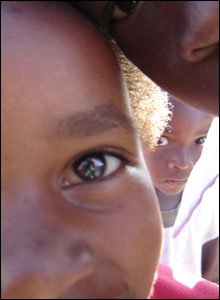
Subscribe to:
Posts (Atom)